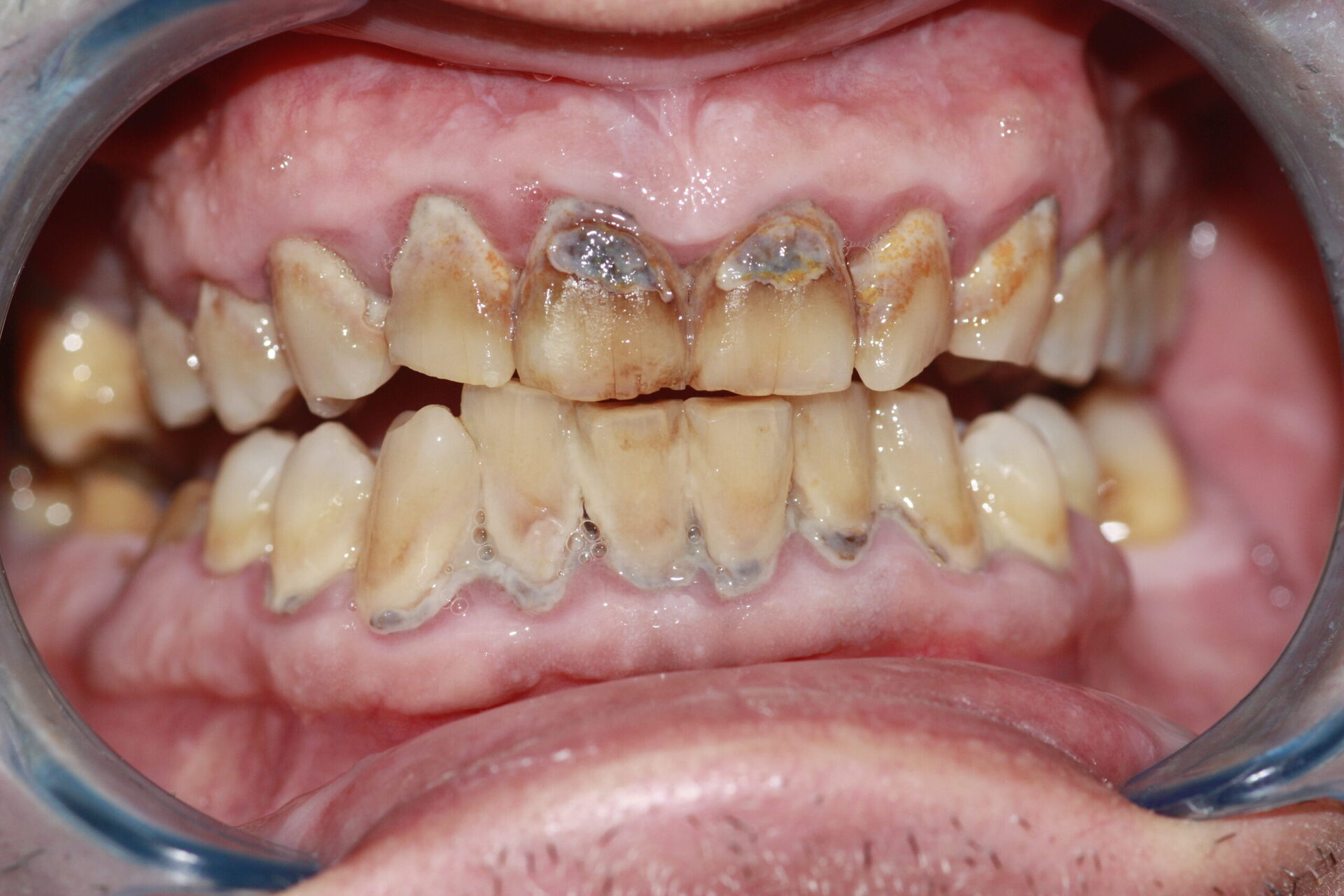
Share

Preventive Dentistry: Protecting Your Teeth and Gums from Gum Disease and Tooth Decay
Understanding the importance of prevention, early diagnosis and maintaining good oral health throughout life.

A healthy smile is not simply about having white, attractive teeth. It is about maintaining healthy teeth, gums and supporting tissues that allow us to eat comfortably, speak confidently and enjoy a good quality of life.
At Surbiton Smile Centre, we believe that prevention is one of the most important aspects of modern dentistry. Rather than waiting for dental problems to develop and then treating the damage, preventive dentistry focuses on identifying risks, detecting disease at an early stage and helping patients maintain their natural teeth for as long as possible.
Two of the most common dental diseases are tooth decay (dental caries) and gum disease (periodontal disease). Both can develop gradually, sometimes without noticeable symptoms, and both may lead to significant damage if left untreated.
The encouraging news is that these diseases are largely preventable with appropriate daily oral hygiene, healthy dietary habits, professional dental care and regular monitoring.
What is preventive dentistry?
Preventive dentistry is an approach to dental care that aims to maintain oral health and reduce the risk of dental disease before extensive treatment becomes necessary.
It combines professional dental assessment with personalised advice and practical measures that patients can follow at home.
Preventive dentistry may include:
-
Regular dental examinations and assessment of individual risk factors.
-
Professional cleaning and removal of plaque and calculus (tartar) when clinically indicated.
-
Early detection of tooth decay and gum disease.
-
Oral hygiene instruction, including effective brushing and interdental cleaning.
-
Fluoride treatment and fissure sealants where appropriate.
-
Dietary advice to reduce the risk of dental decay.
-
Monitoring existing fillings, crowns and other restorations.
-
Assessment of changes in the soft tissues of the mouth, including oral cancer screening.
The frequency of dental appointments should be tailored to each patient’s needs rather than following the same schedule for everyone.
The central principle is straightforward: preventing disease or detecting it early is usually less invasive, more comfortable and more cost-effective than treating advanced damage.
Gum disease: A common condition that can develop silently
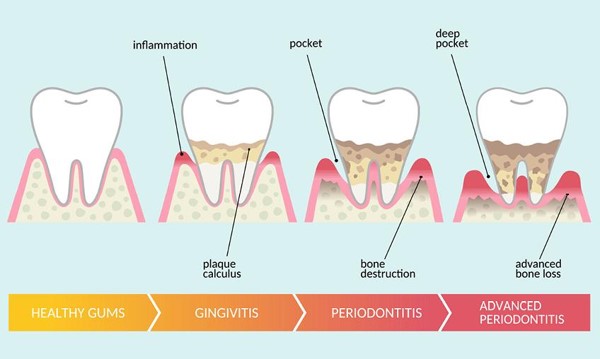
Gum disease is an inflammatory condition affecting the tissues surrounding and supporting the teeth. It is primarily caused by the accumulation of dental plaque, a sticky bacterial biofilm that continuously forms on tooth surfaces and around the gumline.
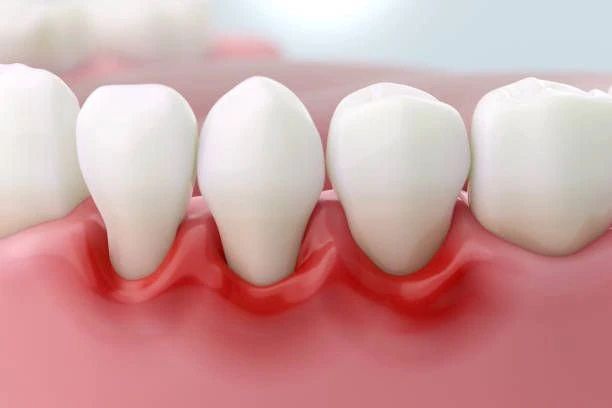
If plaque is not removed effectively, the body’s inflammatory response can lead to redness, swelling and bleeding of the gums.
There are two main forms of gum disease.
1. Gingivitis: The early stage of gum disease
Gingivitis is inflammation of the gums without irreversible loss of the supporting tissues around the teeth.
Common signs include:
-
Bleeding when brushing or cleaning between the teeth.
-
Red, swollen or tender gums.
-
Persistent unpleasant breath.
-
Changes in the appearance of the gum margins.
One of the important characteristics of gingivitis is that it is generally reversible with effective plaque removal and appropriate professional care.
However, bleeding gums should not be ignored. Healthy gums should not routinely bleed during gentle brushing or interdental cleaning.
2. Periodontitis: Advanced gum disease
In susceptible individuals, persistent bacterial plaque and inflammation can contribute to periodontitis, a more serious condition involving destruction of the tissues and bone supporting the teeth.
As periodontitis progresses, patients may experience gum recession, deeper pockets around the teeth, changes in tooth position, loose teeth and eventually tooth loss.
Unlike gingivitis, the loss of supporting bone caused by periodontitis is generally irreversible, although appropriate periodontal treatment can often control the disease and help preserve the remaining support.
A particularly important concern is that periodontitis may progress without significant pain. Patients may therefore be unaware of the condition until substantial damage has occurred.
Who is at greater risk of gum disease?
Several factors can increase the likelihood or severity of periodontal disease, including inadequate plaque control, smoking, diabetes (particularly when poorly controlled), genetic susceptibility and certain medical conditions or medications.
Regular periodontal assessment allows dental professionals to identify risk factors, measure gum health and recommend appropriate preventive or therapeutic care.
Tooth decay: How cavities develop and why prevention matters
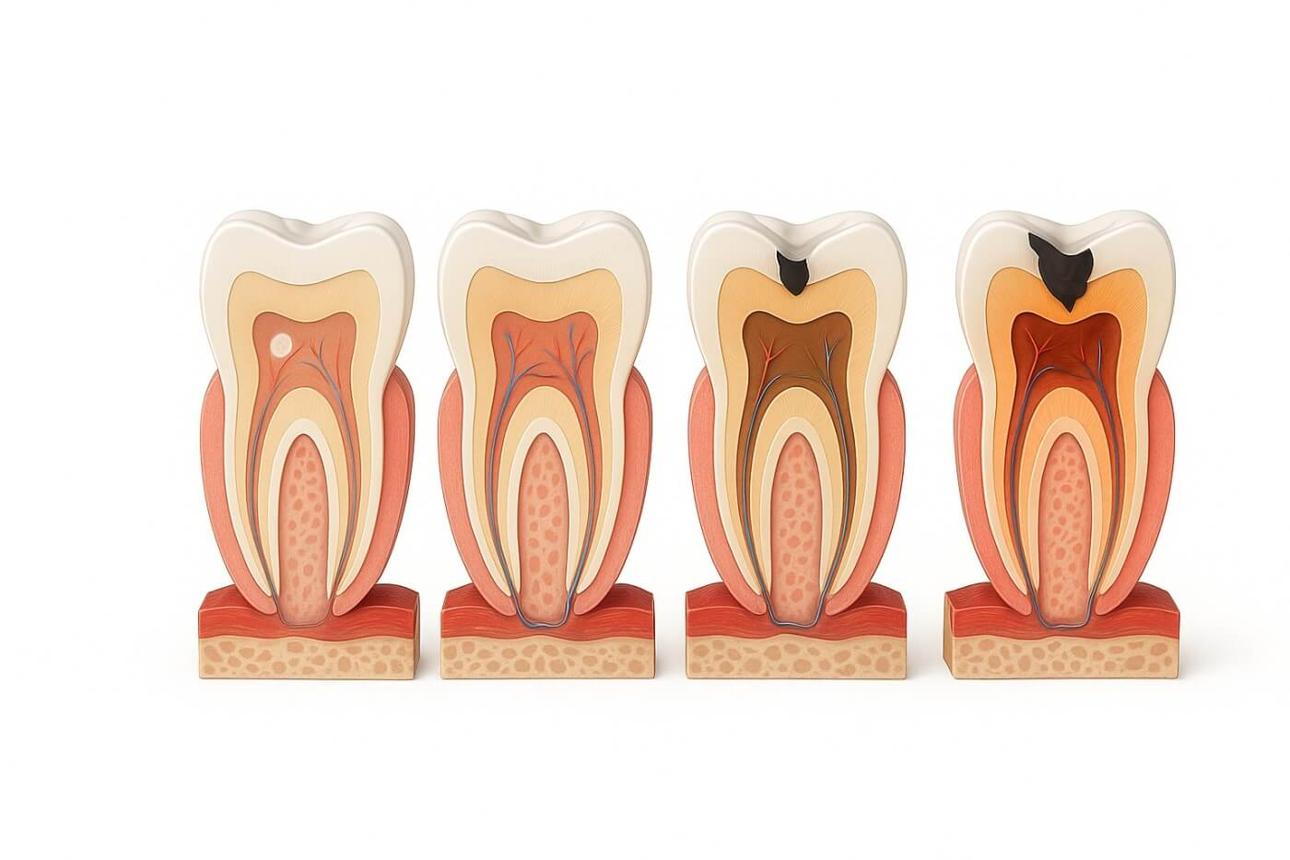
Tooth decay, also known as dental caries, is another extremely common oral disease. It occurs when acids produced by bacteria in dental plaque cause minerals to be lost from the hard tissues of the teeth.
These acids are produced when plaque bacteria metabolise fermentable carbohydrates, particularly sugars in foods and drinks.
Repeated acid exposure can gradually weaken the enamel, leading to early mineral loss and eventually the formation of a cavity.
How tooth decay progresses
In its earliest stages, tooth decay may appear as a white or discoloured area on the enamel. At this stage, the tooth surface may still be intact, and appropriate preventive measures can sometimes stop or reverse early mineral loss.
If the process continues, the enamel may break down and form a cavity. Once decay extends into the dentine, it may progress more rapidly.
In advanced cases, bacteria and inflammation can affect the dental pulp, the soft tissue containing the nerves and blood vessels inside the tooth. This may result in pain, infection or a dental abscess.
Treatment may then require a filling, root canal treatment or, if the tooth cannot be saved, extraction.
Why early tooth decay may go unnoticed
Early dental decay frequently causes no pain or sensitivity.
By the time a tooth becomes painful, the disease may already have progressed considerably.
This is one reason why regular dental examinations are valuable. A dentist can assess areas that may be difficult for patients to see, including the spaces between teeth and around existing restorations. Dental radiographs may also be recommended when clinically appropriate.
The importance of sugar frequency
It is not only the quantity of sugar consumed that influences tooth decay risk, but also how frequently the teeth are exposed to sugar.
Repeated snacking on sugary foods or sipping sweetened drinks throughout the day creates frequent acid attacks, leaving less time for saliva to help neutralise acids and support remineralisation.
Reducing the frequency of sugary foods and drinks, particularly between meals, is therefore an important preventive measure.
How preventive dentistry helps protect against both diseases
Although gum disease and tooth decay affect different dental tissues, they share an important characteristic: both are strongly influenced by dental plaque and can often be prevented or controlled through consistent preventive care.
However, the approach to prevention is not identical.
| Gum disease prevention | Tooth decay prevention |
|---|---|
| Effective plaque removal at the gumline | Brushing with fluoride toothpaste |
| Daily cleaning between teeth | Reducing the frequency of sugar consumption |
| Periodontal assessments | Monitoring early enamel changes |
| Professional periodontal care when indicated | Fluoride applications or fissure sealants when appropriate |
| Smoking cessation and management of risk factors | Dietary advice and individual caries risk assessment |
The best preventive programme considers both conditions rather than focusing exclusively on the teeth or gums.
Seven practical ways to maintain healthy teeth and gums
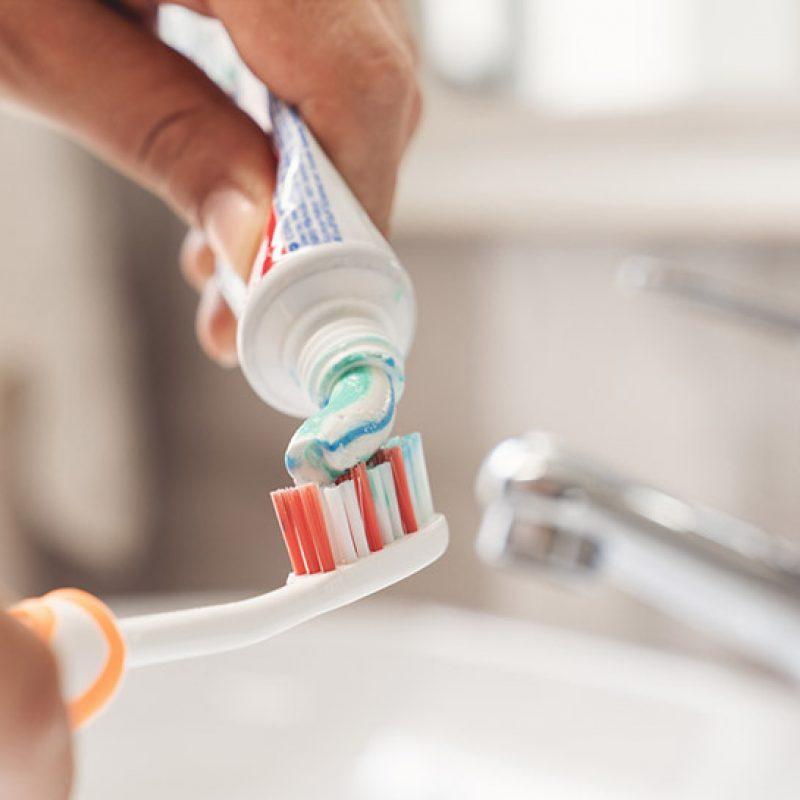
1. Brush twice daily with fluoride toothpaste
Brush for approximately two minutes, including last thing at night. Adults should generally use toothpaste containing 1,350–1,500 ppm fluoride. Spit out excess toothpaste rather than rinsing immediately with water.
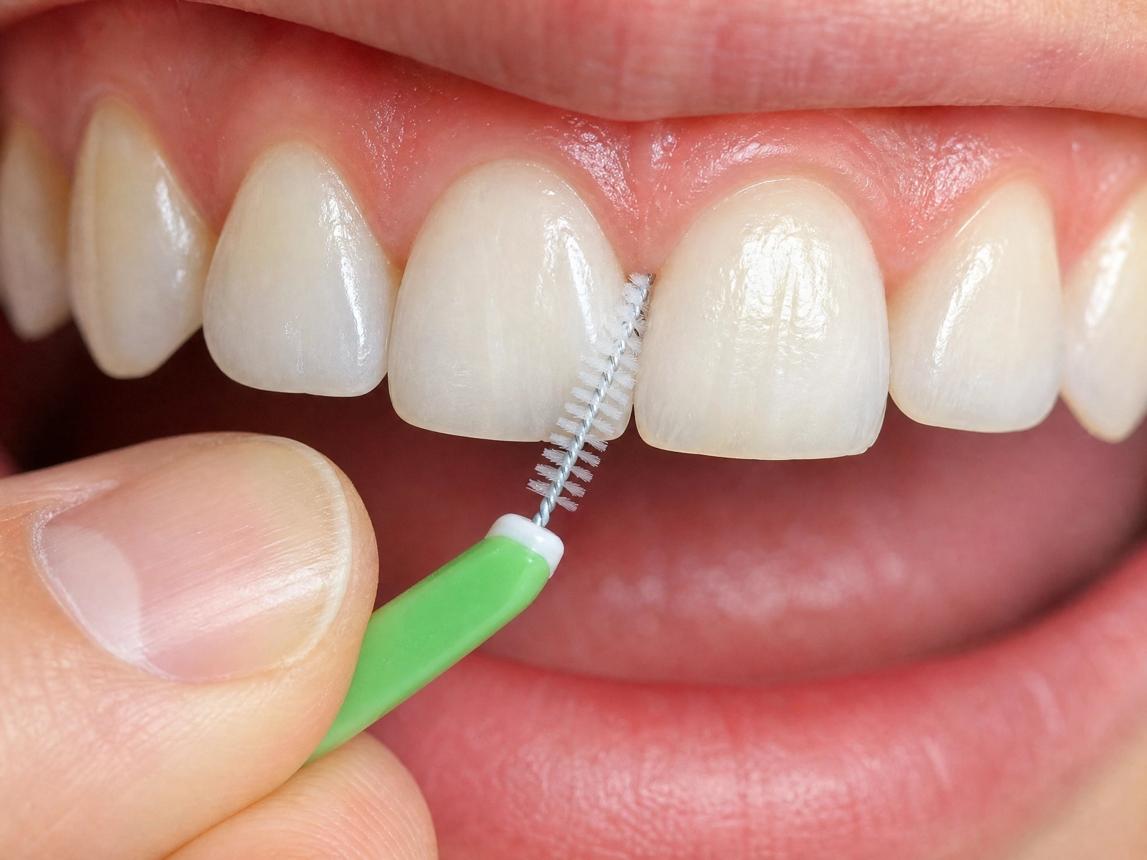
2. Clean between your teeth every day
Interdental brushes or floss help remove plaque from areas that an ordinary toothbrush cannot reach. Your dental team can advise which method and size are suitable.

3. Make tooth-friendly dietary choices
Limit sugary snacks and drinks, especially between meals. Choose water or unsweetened drinks more frequently and maintain a balanced diet.
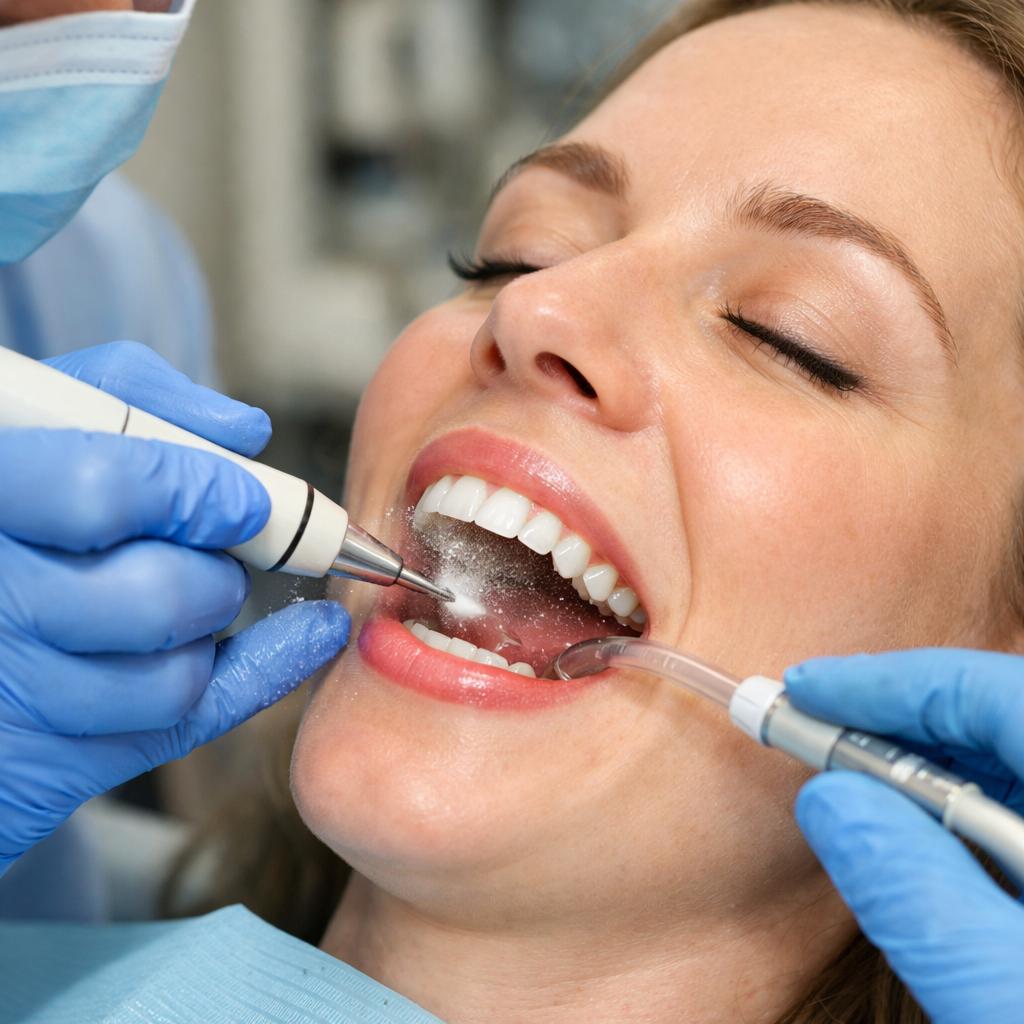
4. Attend dental and hygiene appointments as advised
Professional assessment can detect early signs of disease and identify areas where additional cleaning or preventive treatment may be beneficial.

5. Do not ignore bleeding gums or tooth sensitivity
These symptoms may indicate an underlying problem. Early assessment can help establish the cause and prevent avoidable complications.

6. Avoid smoking and tobacco use
Smoking significantly increases the risk of periodontitis, can mask gum bleeding and may reduce the effectiveness of periodontal treatment.

7. Follow a personalised preventive care plan
Dental disease risk varies between individuals and may change with age, medical conditions, medications and lifestyle. Preventive advice should reflect these differences.
The long-term benefits of preventive dentistry
Preventive dentistry offers benefits that extend beyond avoiding occasional dental discomfort.
Preserving natural teeth: Maintaining healthy enamel, gums and supporting bone can help patients retain their natural teeth throughout life.
Reducing the need for complex treatment: Early identification and management of dental problems can reduce the likelihood of extensive fillings, root canal treatment, periodontal surgery and extractions.
Supporting comfort and confidence: Healthy teeth and gums contribute to comfortable chewing, clearer speech and confidence in everyday social situations.
Reducing long-term dental costs: Although preventive care requires regular attention and sometimes professional treatment, it can help avoid the higher costs associated with advanced dental disease.
Supporting general health: Oral health is an important component of overall wellbeing. Periodontal disease is associated with several systemic conditions, including diabetes, and the relationship between diabetes and periodontal health is particularly important. However, an association does not necessarily mean that gum disease directly causes other medical conditions.
Why prevention is especially important as we get older
Dental health needs can change throughout life.
As people age, gum recession may expose root surfaces, which are more vulnerable to decay than enamel. Certain medications can also reduce saliva production, increasing the risk of dental caries.
Existing fillings, crowns, bridges and dental implants require ongoing monitoring and appropriate cleaning.
For these reasons, preventive dentistry remains essential at every age, including for patients who have had relatively few dental problems in the past.
It is never too early, or too late, to improve oral health habits.
Preventive dentistry at Surbiton Smile Centre
At Surbiton Smile Centre, our approach to dental care places importance on patient education, early diagnosis and individualised prevention.
We believe patients should understand not only what dental treatment may be needed, but also why problems develop and what can be done to reduce the likelihood of their recurrence.
By combining careful clinical assessment, appropriate professional treatment and clear preventive advice, we aim to help patients take an active role in maintaining their oral health.
Whether you are concerned about bleeding gums, tooth sensitivity, recurring cavities or simply wish to maintain a healthy smile, a preventive dental assessment can provide valuable guidance.
Conclusion: Prevention is the foundation of lifelong oral health
Gum disease and tooth decay are two of the most common dental diseases, yet much of the damage they cause can be avoided.
The most effective approach is not to wait until discomfort or visible damage develops, but to maintain good oral hygiene, make informed dietary choices and attend dental appointments at intervals appropriate to individual needs.
A healthy smile is not achieved through treatment alone. It is maintained through prevention, awareness and consistent care.
At Surbiton Smile Centre, we encourage patients to see preventive dentistry as a long-term investment in their oral health, comfort and quality of life.
If you are concerned about your teeth or gums, or would like advice on maintaining your oral health, contact Surbiton Smile Centre to arrange a dental assessment.
Why Bleeding Gums Shouldn’t Be Ignored Understanding what your gums are telling you — and why acting early makes all the difference to your long-term oral health. Blood on the toothbrush is easy to explain away. Perhaps you brushed too firmly, perhaps it was a