Share
Bleeding Gums and Bad Breath: What Is the Connection?
Bleeding gums and bad breath are two common oral health problems that can occur together. According to the European Federation of Periodontology (EFP), bleeding gums can be an early sign of gum disease, while persistent bad breath may indicate inflammation and a build-up of harmful bacteria around the teeth and gums.

The good news is that early gum disease can often be improved with effective daily cleaning and professional dental care. Recognising the signs and seeking advice early can help protect your gums and the tissues supporting your teeth.
What are bleeding gums?
Healthy gums should be firm and should not bleed during normal toothbrushing or cleaning between your teeth. If you regularly notice blood on your toothbrush, in the sink or when eating, it is worth having your gums checked by a dentist.
The most common cause is gingivitis, which is inflammation of the gums caused by the accumulation of bacterial plaque. Plaque is a soft, sticky film that continually forms on the teeth.
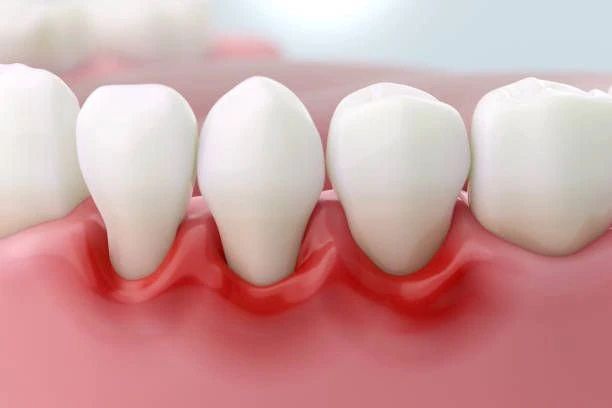
When plaque is not removed effectively, the body responds to the bacteria by triggering inflammation. The gums may become:
-
Red or darker than usual.
-
Swollen or tender.
-
Prone to bleeding when brushing or cleaning between the teeth.
Gingivitis affects the gums but does not, by itself, cause the irreversible loss of the bone and supporting tissues around the teeth. With good oral hygiene and appropriate professional care, it can usually be reversed.
How are bleeding gums connected to bad breath?


Bleeding gums and bad breath often share the same underlying cause: the build-up of bacteria in dental plaque.
Bad breath, also called halitosis, can develop when bacteria in the mouth break down proteins from food debris, saliva and other organic material. This process releases smelly gases, including volatile sulphur compounds.
When plaque accumulates around the gumline, it can irritate the gums and cause bleeding. If gum disease progresses, spaces called periodontal pockets may develop between the teeth and gums. These pockets can harbour bacteria that are difficult to remove with ordinary toothbrushing.
As a result, a person may experience several symptoms together:
-
Bleeding during brushing or interdental cleaning.
-
Persistent unpleasant breath.
-
An unpleasant taste in the mouth.
-
Red or swollen gums.
The EFP identifies bleeding gums and bad breath among the possible signs of periodontitis, the more advanced form of gum disease. However, bad breath does not automatically mean that someone has periodontitis. Other causes must also be considered.
Gingivitis and periodontitis: what is the difference?
The EFP explains that gum disease can range from early inflammation to a more advanced condition affecting the tissues and bone that support the teeth.

1. Gingivitis — early gum disease
The gums become inflamed because of plaque build-up. Bleeding, redness and swelling are common. There is no loss of the supporting bone from gingivitis itself, and the condition is usually reversible with effective plaque removal.

2. Periodontitis — advanced gum disease
In susceptible people, inflammation can damage the tissues and bone that hold teeth in place. Deep gum pockets, persistent bad breath, gum recession and loose teeth may develop. Treatment can control the disease, although lost supporting bone is not usually restored naturally.
Clinical illustrations are for general education; a dental examination is needed to establish the diagnosis.
An important point is that gum disease can progress without significant pain. The absence of pain does not necessarily mean that the gums are healthy.
What else can cause bad breath?
Although gum disease is an important cause, it is not the only explanation for persistent bad breath. Other possible causes include:
-
Bacteria on the tongue: particularly towards the back of the tongue, where odour-producing bacteria can collect.
-
Dry mouth: reduced saliva makes it harder for the mouth to clear food debris and bacteria.
-
Tooth decay or dental infection: cavities and infections may cause an unpleasant smell or taste.
-
Food and drink: garlic, onions and some other foods can temporarily affect breath.
-
Smoking: can contribute to bad breath and increases the risk of periodontal disease.
-
Other medical conditions: tonsil problems and acid reflux, for example, may contribute.
If bad breath persists despite good oral hygiene, a dental assessment is a sensible first step.
How can you prevent bleeding gums and bad breath?
The EFP recommends daily plaque removal, regular dental examinations and attention to factors that increase the risk of gum disease.

1. Brush twice a day
Brush for two minutes with a fluoride toothpaste, paying particular attention to the gumline. Use a soft-bristled toothbrush and gentle pressure.

2. Clean between your teeth daily
Use appropriately sized interdental brushes or dental floss where the spaces are too tight for brushes. This helps remove plaque that a toothbrush cannot reach.

3. Clean your tongue gently
A tongue scraper or toothbrush can help remove deposits that contribute to bad breath.

4. Attend regular dental check-ups
Your dentist can assess your gums, identify plaque and tartar deposits, and recommend professional cleaning or further periodontal treatment when needed.
If your gums bleed, do not stop cleaning them altogether. Clean gently and consistently, and arrange a dental appointment to identify the cause. Avoid using mouthwash simply to mask persistent bad breath; it will not remove the underlying cause of gum disease.
How does a dentist treat bleeding gums and bad breath?
Treatment depends on the cause and severity of the problem.
-
For gingivitis: the dental team will advise on brushing and interdental cleaning, and remove plaque and tartar where necessary.
-
For periodontitis: treatment may include more detailed gum cleaning below the gumline, followed by reassessment and regular supportive periodontal care.
-
For other causes of bad breath: treatment will address the underlying problem, such as tooth decay, dry mouth or another identified condition.
The EFP emphasises that successful periodontal treatment depends on both professional care and maintaining good oral hygiene at home. Antibiotics are not routinely required for every case of gum disease.
Frequently asked questions
1. Is it normal for gums to bleed when brushing?
No. Regular bleeding can indicate gum inflammation or another problem. Arrange a dental assessment rather than assuming it is normal.
2. Can bleeding gums cause bad breath?
Bleeding itself is not usually the direct cause. The plaque bacteria responsible for gum inflammation can also produce unpleasant-smelling compounds, linking the two symptoms.
3. Will mouthwash stop bleeding gums?
Mouthwash may help in selected circumstances, but it cannot replace brushing, interdental cleaning or professional removal of tartar. Some antiseptic mouthwashes, particularly chlorhexidine, can cause staining and changes in taste, so seek advice before prolonged use.
4. Can I have gum disease without pain?
Yes. Gingivitis and periodontitis can develop with little or no pain, particularly in their earlier stages.
5. When should I see a dentist?
Arrange an appointment if you have repeated bleeding, persistent bad breath, swollen gums or an unpleasant taste. Seek urgent dental assessment if you develop very painful or markedly swollen gums, loose adult teeth, or a lump or ulcer that needs investigation. If swelling is severe and affects breathing or swallowing, seek emergency medical care.
Conclusion
Bleeding gums and persistent bad breath often have a common cause: bacterial plaque and gum inflammation. The EFP advises people not to ignore these signs, as they may indicate gingivitis or the more serious condition of periodontitis.
Daily brushing, cleaning between the teeth and professional dental care can help control gum inflammation and reduce unpleasant breath. If you notice either symptom, arrange a dental examination to establish the cause and discuss appropriate treatment.
SEO and publication details
SEO title
Bleeding Gums and Bad Breath: Causes and Treatment
Meta description
Find out why bleeding gums and bad breath often occur together, how gum disease develops, and what you can do to protect your oral health.
Suggested URL slug
bleeding-gums-bad-breath
Primary keyword
bleeding gums and bad breath
Secondary keywords
gum disease symptoms, gingivitis, periodontitis, causes of bad breath, bleeding gums treatment, periodontal health
Suggested image alt text
-
“Illustration showing plaque build-up and inflammation along the gumline.”
-
“Illustration showing a periodontal pocket and loss of supporting bone around a tooth.”
-
“Interdental brush cleaning between teeth to remove plaque.”
References
-
European Federation of Periodontology. Check your symptoms.
-
European Federation of Periodontology. Frequently asked questions about gum disease.
-
European Federation of Periodontology. Gum disease: prevention.
-
European Federation of Periodontology. Gum disease: treatment.
-
NHS. Gum disease.
-
NHS. Bad breath.
Why Bleeding Gums Shouldn’t Be Ignored Understanding what your gums are telling you — and why acting early makes all the difference to your long-term oral health. Blood on the toothbrush is easy to explain away. Perhaps you brushed too firmly, perhaps it was a