Share
What gum recession really means, why it happens, and how to protect the gum tissue you have.
Gum recession often shows itself quietly. A tooth looks slightly longer than it used to. A cold drink causes a sharp twinge near the gumline. Or there is a small ridge where the enamel seems to end. For many patients, the first question is whether the gum will grow back on its own.
The honest answer is that receded gum tissue does not regenerate by itself. That is not a reason for alarm. Recession is very common and usually progresses slowly. With an accurate diagnosis it can almost always be stabilised and, in many cases, effectively treated.
What Is Gum Recession?
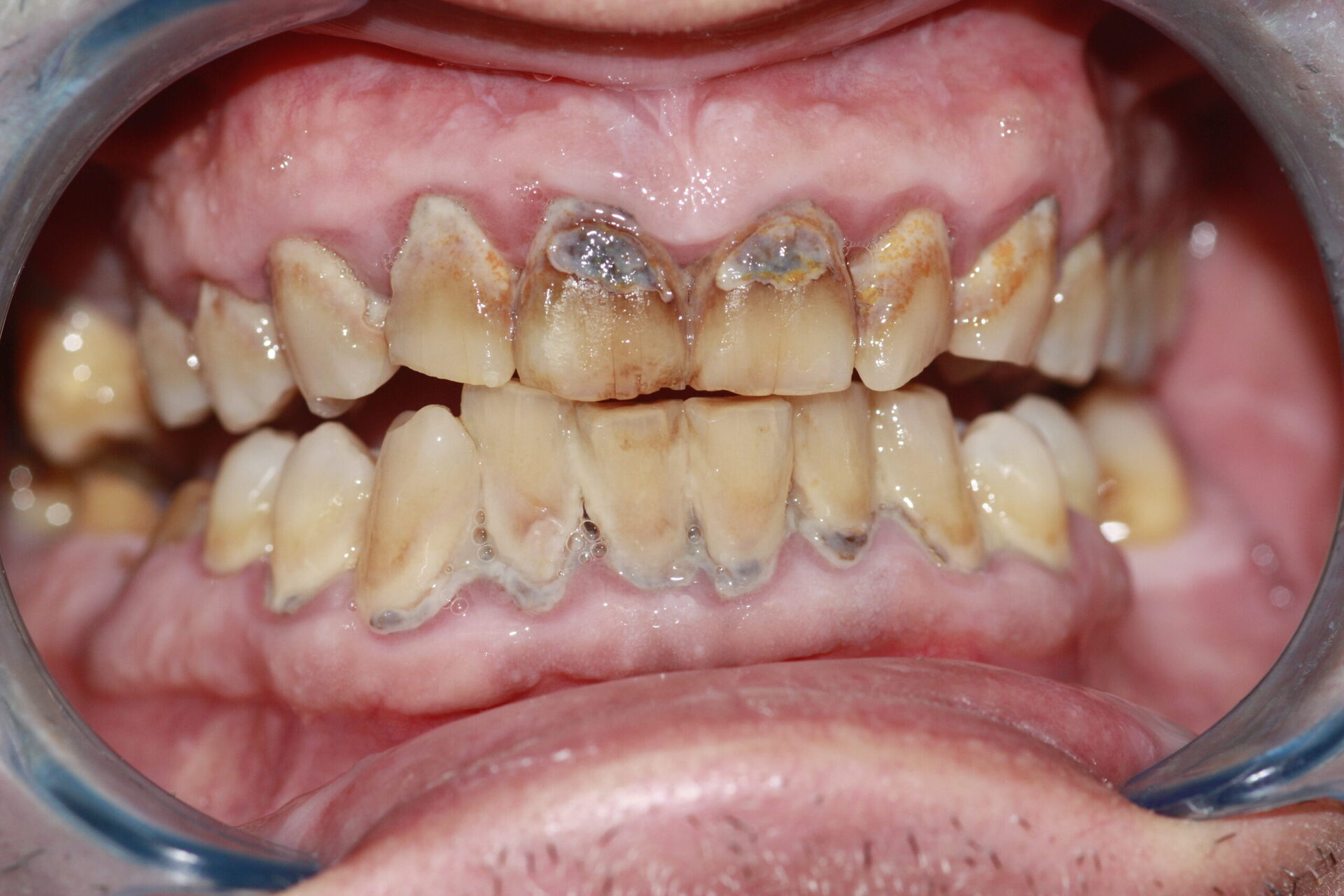
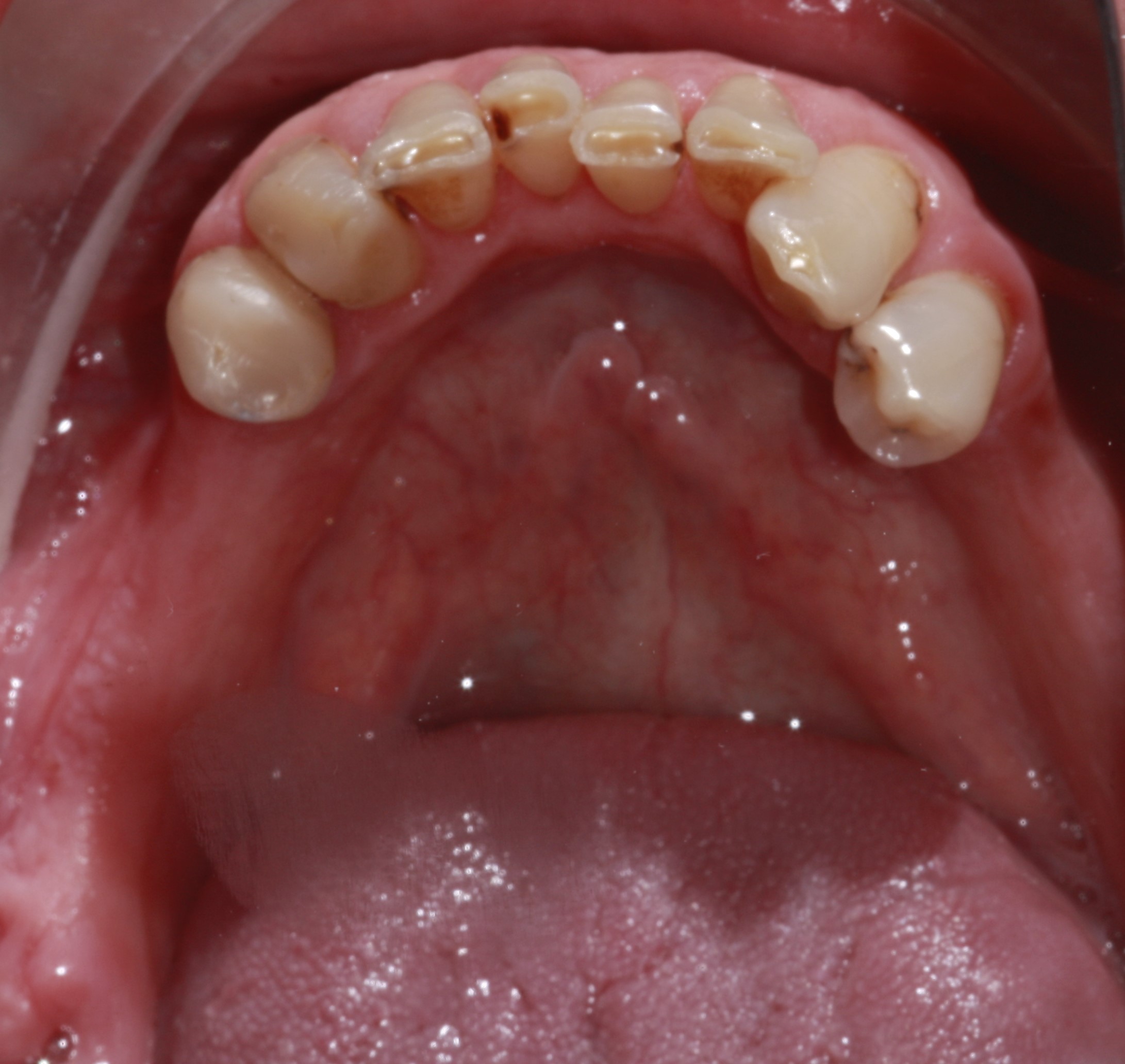
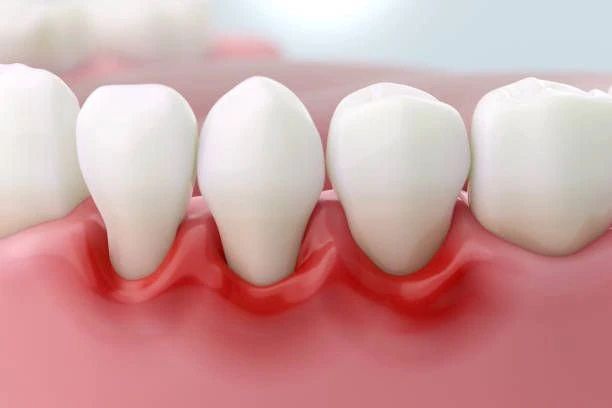
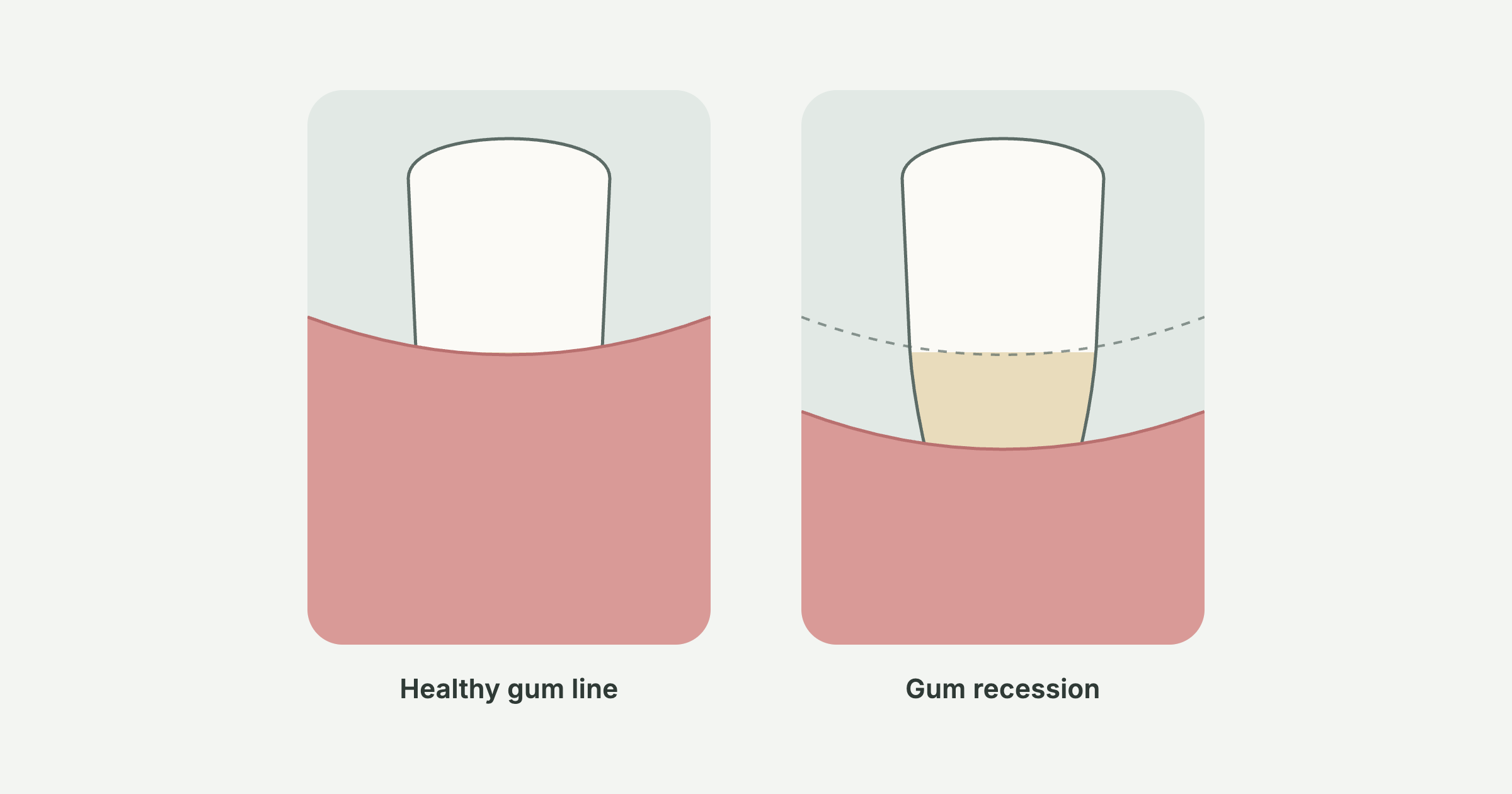
In a healthy mouth, the gum fits snugly around each tooth, covering the root and protecting the bone beneath it. Gum recession happens when that margin gradually moves back, exposing part of the root.
Unlike the crown of the tooth, the root has no enamel. It is covered by a thinner, softer layer called cementum, with dentine beneath. Dentine contains microscopic channels that lead towards the nerve, which is why exposed roots so often feel sensitive to cold, heat or brushing.
Can Receding Gums Grow Back on Their Own?
No. Gum tissue heals well after minor injury, but once it has receded it does not migrate back up the root surface. This is one of the most common misunderstandings we see. Oil pulling, herbal rinses, special toothpastes and supplements are often recommended online, but there is no reliable clinical evidence that any of them reverse recession.
There is one important distinction. Gums that are swollen from early gum disease can look noticeably different once the inflammation settles, and that improvement is real. True recession, where the gum margin has moved and the root is exposed, does not reverse without clinical treatment.
The more useful question, then, is not whether the gum will grow back, but what is causing it to recede, and how to stop it going further.
What Causes Gums to Recede?
Recession rarely has a single cause. Usually several factors build up over time.
Gum disease is one of the most significant. Bacteria in plaque trigger inflammation that gradually damages the gum and the bone supporting the teeth, and as bone is lost, the gum tends to follow. Because this often happens without pain, early signs such as bleeding when brushing are worth taking seriously.
Recession is not only a sign of gum disease, however. Some of the patients most affected brush very conscientiously, but with too much force or a hard-bristled brush. Over years, firm horizontal scrubbing can wear the gum away, often more on one side of the mouth than the other. At Surbiton Smile Centre, many patients we see from Surbiton and Kingston are surprised to learn that their recession has more to do with brushing technique than with neglect.
Anatomy plays a part too. Some people naturally have thinner gum tissue, or teeth positioned slightly outside the bone that supports them. Crowded or prominent teeth may have very little bone over their roots, which is why gum health is carefully assessed before any orthodontic treatment. Smoking, lip or tongue piercings that rub against the gum, and heavy clenching or grinding can all add to the picture.
Why Gum Recession Matters
Mild recession is not always a problem in itself, and not every case needs active treatment. But exposed roots are more vulnerable than enamel. They are more prone to sensitivity, to decay, and to wear and notching at the gumline. Where recession affects front teeth, it can also become a cosmetic concern. And if the underlying cause is not addressed, recession can continue.
How Are Receding Gums Treated?
Treatment always begins with stopping the recession from progressing. Only then does it make sense to consider whether lost tissue should be restored.
Where gum disease is involved, a thorough hygienist appointment and, where needed, periodontal treatment beneath the gumline removes the bacterial deposits driving the inflammation. Where brushing is the cause, a soft or electric brush and a gentler technique often make a real difference.
Sensitivity can usually be well managed with desensitising toothpaste and professionally applied fluoride varnish. Where the root surface has become worn or notched, a tooth-coloured bonded restoration can protect it and improve its appearance.
When recession is significant, progressing or causing concern, gum grafting can restore coverage over the exposed root. A small amount of tissue, usually from the palate, or a donor substitute, is placed at the site to thicken the gum and cover the root. How much coverage is achievable depends largely on the bone levels between the teeth. In favourable cases most or all of the exposed root can be covered. In others, grafting still strengthens the gum and helps prevent further recession. A careful assessment beforehand allows realistic expectations to be set.
What Patients Most Often Misunderstand
The most common assumption is that recession means poor oral hygiene. Often the opposite is true: enthusiastic brushing is one of the most frequent causes, and the solution is a change of technique rather than more effort.
Another is that once gums begin to recede, the process is bound to continue. In reality, recession can usually be stabilised once its cause is identified and managed. Many patients live with stable, mild recession for decades without it affecting the health of their teeth.
Frequently Asked Questions
Can you stop gums receding further?
In most cases, yes. Recession usually progresses because something is still driving it, so the key is finding and treating that cause. When gum disease is involved, a professional clean below the gumline followed by regular maintenance can stabilise the gums. When brushing is the problem, switching to a soft or electric toothbrush and a gentler technique often makes a noticeable difference. Stopping smoking, managing grinding and keeping up regular hygiene appointments all help. Once the cause is under control, recession often stays stable for many years. Your dentist can measure your gums over time to confirm that they are not changing.
Is gum recession a sign of gum disease?
Not always. Gum disease is a common cause, but recession can also result from brushing too hard, naturally thin gum tissue, tooth position or orthodontic movement. Some people with excellent oral hygiene develop recession precisely because they brush with too much force. A dental assessment, including gum measurements and sometimes X-rays, helps identify which factors are involved so that treatment can target the actual cause.
Can receding gums cause teeth to fall out?
Recession alone rarely causes tooth loss, particularly when it comes from brushing too hard or from naturally thin gums. The greater risk comes when recession is linked to gum disease. Untreated periodontal disease gradually destroys the bone that holds teeth in place, and over time teeth can loosen, shift or eventually be lost. However, this is a slow process, and it can usually be stopped with timely treatment. Even where some bone has been lost, stabilising the gums can help keep teeth secure for many years.
Does gum grafting hurt?
Gum grafting is carried out under local anaesthetic, so the procedure itself should not be painful. Afterwards, most patients experience some tenderness for several days, particularly at the palate if tissue has been taken from there. This is usually well managed with standard pain relief and a soft diet for a short period. Your dentist will explain exactly what to expect and how to care for the area while it heals, so that recovery is as comfortable as possible.
Surbiton Smile Centre
Receding gums do not grow back on their own, but recession is rarely a lost cause. Understanding why it is happening is the most important step towards protecting your gums and teeth over the long term. At Surbiton Smile Centre, we help patients identify the cause of recession and plan care that keeps their gums stable for years to come.
To book an appointment or ask a question:
📞 020 8339 9333 ✉ [email protected] 🌐 surbitonsmile.co.uk
This article is general guidance and does not replace a dental examination or diagnosis.
Written by Dr Simin Soltani