
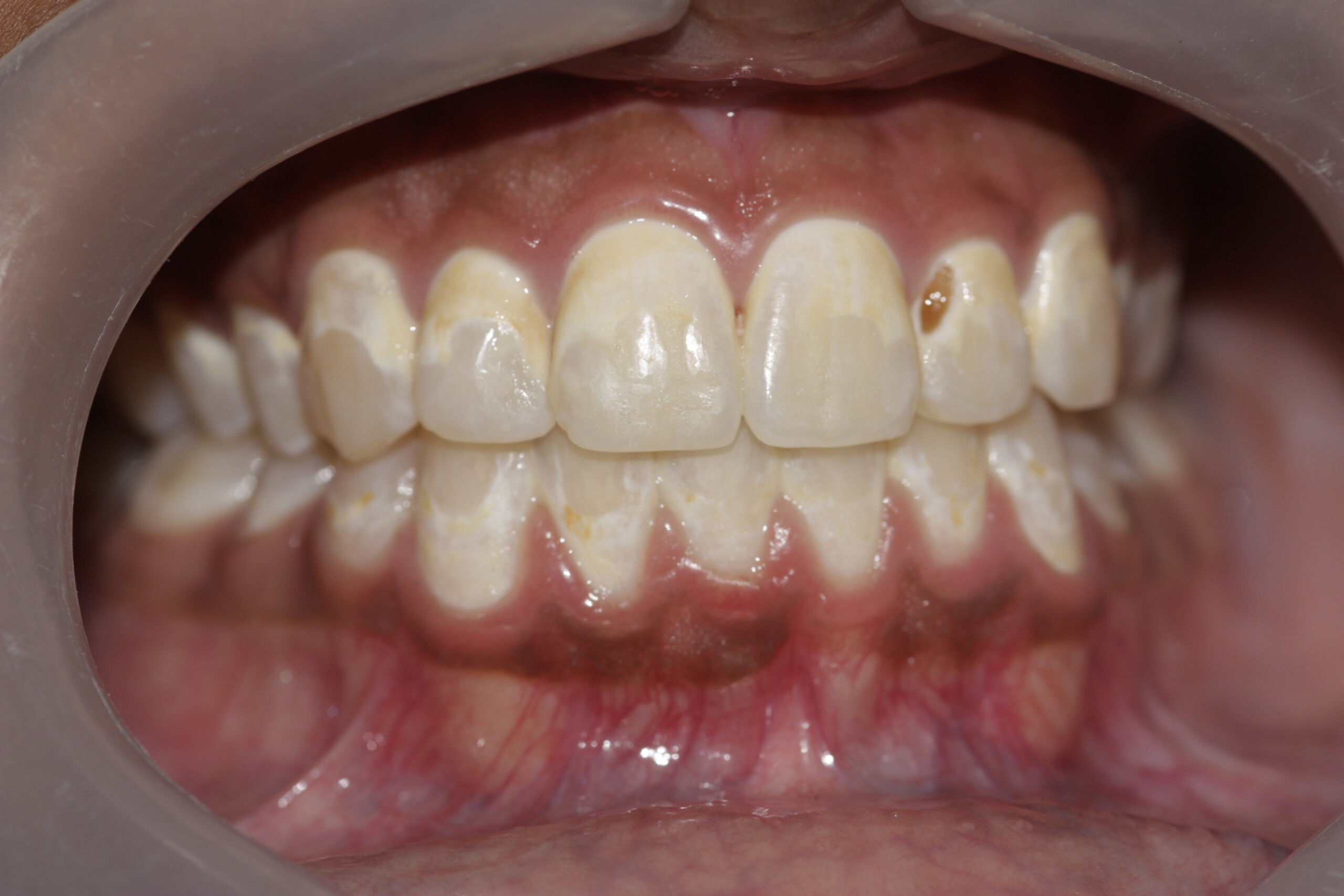
White patches on teeth can be an early sign of tooth decay caused by poor oral hygiene during orthodontic treatment
How to Identify and Treat Different Types of Cavities
By Dr Simin Soltani – Principal Dentist
Surbiton Smile Centre
148 Ewell Road, Surbiton, Surrey, KT6 6HE
📞 020 8283 9933
📧 [email protected]
Introduction
Types of cavities are among the most common dental problems affecting both children and adults. Although tooth decay may begin as a small issue, untreated cavities can quickly progress into painful infections, damaged teeth, and even tooth loss.
At Surbiton Smile Centre, we regularly help patients across Surbiton and Surrey diagnose and treat cavities before they become more serious problems. Understanding the different types of cavities, recognising the warning signs, and seeking early treatment are essential for maintaining healthy teeth and gums.
In this blog, Surbiton smile centre will explain:
- what cavities are,
- the different types of cavities,
- common symptoms,
- treatment options,
- and how to prevent future tooth decay.
What Are Cavities, and Why Do They Matter?
Cavities, also known as tooth decay or dental caries, are permanently damaged areas in the hard surface of the teeth that develop into tiny holes or openings. Cavities occur when bacteria in the mouth combine with sugars and starches from food, producing acids that attack tooth enamel.
Without treatment, cavities can continue to spread deeper into the tooth, causing:
- Toothache
- Sensitivity
- Infection
- Difficulty chewing
- Tooth abscesses
- Tooth loss
Cavities are extremely common in children, teenagers, and older adults, but anyone with teeth can develop them. Early diagnosis and treatment are essential to prevent more complex dental procedures later.
At Surbiton Smile Centre, our team is dedicated to helping patients prevent tooth decay and keep their natural teeth for life. We believe that prevention is the best approach — not only for maintaining a healthy smile, but also for reducing the need for complex and costly dental treatment in the future.
Through regular check-ups, personalised oral hygiene advice, early detection, and preventive treatments, we work closely with our patients to protect their long-term dental health and support confident, healthy smiles for years to come.
How to Identify Different Types of Cavities;
Dentists generally classify cavities into three main types.
1. Smooth Surface Cavities
Smooth surface cavities develop on the flat outer surfaces of teeth or between teeth where plaque builds up over time.
Common Symptoms:
- Mild sensitivity
- White, brown, or dark spots
- Pain when eating sugary foods
Causes:
- Inadequate brushing and flossing
- Plaque build-up
- Frequent sugary snacks and drinks
Treatment:
Early smooth surface cavities may be treated with fluoride therapy and improved oral hygiene. More advanced decay usually requires dental fillings.
📷 Suggested Image: Smooth surface cavity between two teeth
2. Pit and Fissure Cavities
These cavities form on the chewing surfaces of back teeth, especially molars and premolars.
Why They Develop:
The grooves and pits on molars easily trap food particles and bacteria, making them difficult to clean properly.
Symptoms:
- Pain while chewing
- Dark grooves on teeth
- Food frequently getting stuck
Treatment:
Treatment options may include:
- Dental fillings
- Dental sealants
- Fluoride treatments
📷 Suggested Image: Molar tooth showing pit and fissure decay
3. Root Cavities
Root cavities occur when gums recede and expose the softer root surfaces of teeth.
Risk Factors:
- Aging
- Gum disease
- Dry mouth
- Certain medications
Symptoms:
- Increased tooth sensitivity
- Pain near the gum line
- Visible discoloration
Treatment:
Depending on severity, treatment may involve:
- Fluoride application
- Tooth-colored fillings
- Dental crowns
Common Symptoms of Tooth Decay
Cavities can develop slowly, and early-stage decay may not cause noticeable symptoms. As the cavity grows, symptoms may include:
- Toothache or spontaneous pain
- Sensitivity to hot, cold, or sweet foods
- Visible holes or pits in the teeth
- Brown, black, or white staining
- Pain when biting down
If you notice any of these signs, it’s important to book a dental examination promptly.
How Dentists Diagnose Cavities
At Surbiton Smile Centre, we use modern diagnostic techniques to identify cavities early and accurately.
Dental Examination
Your dentist may:
- Examine your teeth visually
- Check for soft areas using dental instruments
- Assess sensitivity and discomfort
Dental X-Rays
Dental X-rays can help detect:
- Cavities between teeth
- Deep decay
- Infection near the tooth root
- Hidden areas of damage
Regular checkups help identify cavities before they become painful or require extensive treatment.
📷 Suggested Image: Dentist reviewing a dental X-ray
Treatment Options for Cavities
The right treatment depends on how severe the tooth decay has become.
Fluoride Treatments
If a cavity is detected early, fluoride treatments may help restore enamel and reverse minor tooth decay.
Fluoride Treatments May Include:
- Fluoride varnish
- Gel
- Foam applications
Professional fluoride treatments contain stronger concentrations than standard toothpaste or mouth rinses.
Dental Fillings
Fillings are one of the most common treatments for cavities.
Types of Filling Materials:
- Tooth-colored composite resin
- Porcelain
- Dental amalgam
Fillings restore tooth structure and prevent further decay.
Dental Crowns
For severely damaged or weakened teeth, a dental crown may be recommended.
A crown:
- Covers the entire tooth
- Restores strength and function
- Improves appearance
- Protects against further damage
Crowns can be made from porcelain, ceramic, resin, or metal materials.
Root Canal Treatment
If tooth decay reaches the pulp inside the tooth, root canal treatment may be necessary to save the tooth.
During Root Canal Treatment:
- The infected pulp is removed
- The tooth is cleaned and disinfected
- The root canal is sealed
- A crown may be placed afterward
Root canal treatment can relieve pain and preserve your natural tooth.
Tooth Extraction
In severe cases where the tooth cannot be restored, extraction may be necessary.
After extraction, replacement options may include:
- Dental implants
- Bridges
- Dentures
Replacing missing teeth helps maintain proper chewing function and appearance.
How to Prevent Cavities
Good oral hygiene and preventive dental care are the best ways to reduce your risk of cavities.
Brush and Floss Daily
Brush your teeth at least twice daily using fluoride toothpaste and floss every day to remove plaque between teeth.
Reduce Sugary Foods and Drinks
Frequent sugary snacks and acidic beverages increase the risk of tooth decay by feeding harmful bacteria.
Try to limit:
- Fizzy drinks
- Sweets
- Sticky snacks
- Sugary coffee drinks
Visit Your Dentist Regularly
Routine dental examinations and professional cleanings allow cavities to be detected early before they become more serious.
Consider Dental Sealants
Dental sealants are protective coatings placed on molars to help prevent food and bacteria from becoming trapped in grooves.
Closing
Understanding how to identify and treat different types of cavities is essential for maintaining healthy teeth and gums. Cavities may begin as small areas of tooth decay, but without treatment they can progress into painful and serious dental problems.
The good news is that cavities are largely preventable with regular dental visits, good oral hygiene, and early intervention. Recognizing the symptoms early and seeking prompt professional care can help preserve your natural teeth and avoid more extensive dental treatments.
At Surbiton Smile Centre, we are committed to helping patients across Surbiton and Surrey maintain healthy, confident smiles through preventive and restorative dental care.
Book Your Dental Appointment Today
If you are experiencing tooth sensitivity, toothache, or signs of tooth decay, don’t delay treatment.
Contact Surbiton Smile Centre
📍 148 Ewell Road, Surbiton, Surrey, KT6 6HE
📞 020 8283 9933
📧 [email protected]
Speak to our friendly reception team or book a consultation with
Dr Simin Soltani – Principal Dentist
👉 Schedule your dental check-up today and protect your smile for the future.
Related Posts

Achieving a straight, confident smile is a goal for many people, and understanding the duration of teeth straightening is an essential part of planning orthodontic treatment. The timeline can vary depending on the severity of dental misalignment, the type of treatment used, and individual patient

Temporomandibular joint (TMJ) disorders are a common but often misunderstood dental condition that can cause jaw pain, difficulty chewing, headaches, and even ear discomfort. While there are several potential causes, one factor that patients frequently overlook is missing teeth. According to dentists at Surbiton Smile