Share
Tooth sensitivity is a common dental concern that can make simple pleasures such as enjoying a hot drink or an ice-cold dessert uncomfortable. Many patients believe sensitive teeth are normal or unavoidable, but in reality, sensitivity often points to an underlying issue that can be treated.
At Surbiton Smile Centre, our experienced dental team regularly helps patients understand and manage tooth sensitivity. Dr Soltani, a trusted Surbiton dentist, explains why teeth become sensitive, what symptoms to watch for, and how professional care can help protect your smile.
What Are Sensitive Teeth?
Sensitive teeth occur when the protective enamel layer is worn down or when gums recede, exposing the underlying dentine. Dentine contains tiny channels that lead directly to the tooth’s nerve, allowing hot, cold, sweet, or acidic substances to trigger discomfort.
Common symptoms include:
-
Sharp pain when eating or drinking hot or cold foods
-
Sensitivity to sweet or acidic items
-
Discomfort during brushing
-
Pain when breathing in cold air
Common Causes of Tooth Sensitivity
1. Enamel Wear
Acidic foods and drinks, combined with aggressive brushing, can gradually wear away enamel and increase sensitivity.
2. Gum Recession
Receding gums expose tooth roots, which are not protected by enamel and are more vulnerable to sensitivity. This is often linked to early gum disease.
3. Tooth Grinding (Bruxism)
Clenching or grinding your teeth, especially at night, can wear down enamel and place excess pressure on the teeth.
4. Tooth Decay or Cracked Teeth
Cavities, cracks, or worn fillings can expose sensitive areas of the tooth and cause pain.
5. Dental Treatments
Some procedures can cause temporary sensitivity, which usually settles as the tooth adjusts.
Warning Signs You Should Not Ignore
You should book a dental check-up if tooth sensitivity:
-
Persists for more than a few weeks
-
Is severe or worsening
-
Affects only one tooth
-
Occurs alongside bleeding gums or swelling
Early diagnosis by a Dentist in Surbiton can prevent further damage and more complex treatment.
Prevention and Treatment Options
Preventing Sensitive Teeth
-
Use toothpaste designed for sensitive teeth
-
Brush gently with a soft-bristled toothbrush
-
Avoid brushing immediately after acidic foods or drinks
-
Reduce acidic food and drink intake
-
Wear a night guard if you grind your teeth
Professional Treatment at Surbiton Smile Centre
At Surbiton Smile Centre, treatment is tailored to the cause of your sensitivity and may include:
-
Fluoride treatments to strengthen enamel
-
Desensitising agents
-
Dental fillings or bonding
-
Gum treatment for recession or gum disease
-
Custom-made night guards for grinding
Our focus is on protecting your teeth while relieving discomfort.
Importance of Early Intervention
Ignoring tooth sensitivity can allow problems such as decay, enamel erosion, or gum disease to progress. Without early care, this may lead to more extensive dental treatment in the future.
Seeking advice from a Surrey dentist at an early stage helps preserve your natural teeth and maintain long-term oral health.
FAQs
Q1: Is tooth sensitivity permanent?
Not always. Many cases can be successfully managed or resolved once the underlying cause is treated.
Q2: Does sensitive toothpaste really work?
Yes. With consistent use, desensitising toothpaste can reduce sensitivity by blocking pain signals.
Q3: Can sensitive teeth be linked to gum disease?
Yes. Gum disease can cause gum recession, exposing sensitive tooth roots.
Q4: When should I see a dentist about sensitive teeth?
If sensitivity is persistent, painful, or affecting your quality of life, it’s important to seek professional advice.
Conclusion
Sensitive teeth can significantly impact daily comfort, but they are often treatable with the right care. Understanding the cause is the first step towards lasting relief and healthier teeth.
If you are struggling with tooth sensitivity, Dr Soltani and the team at Surbiton Smile Centre are here to help. Call 0208 339 9333 or email [email protected] to book a consultation with a trusted Dentist in Surbiton and take the first step towards a more comfortable smile.
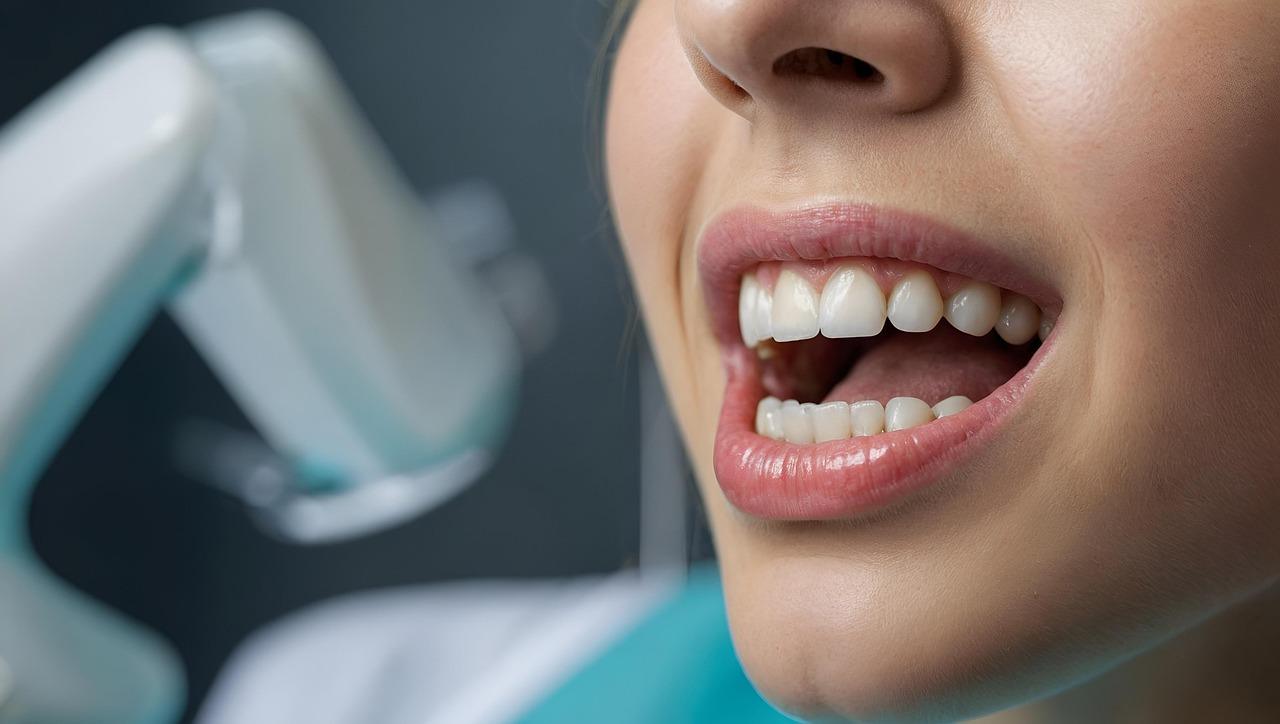
Gum disease, also known as periodontal disease, is one of the most common oral health issues affecting adults worldwide. If left untreated, it can lead to tooth loss, jawbone deterioration, and even impact overall health. Fortunately, periodontal treatment in Surbiton offers a proven way to prevent and
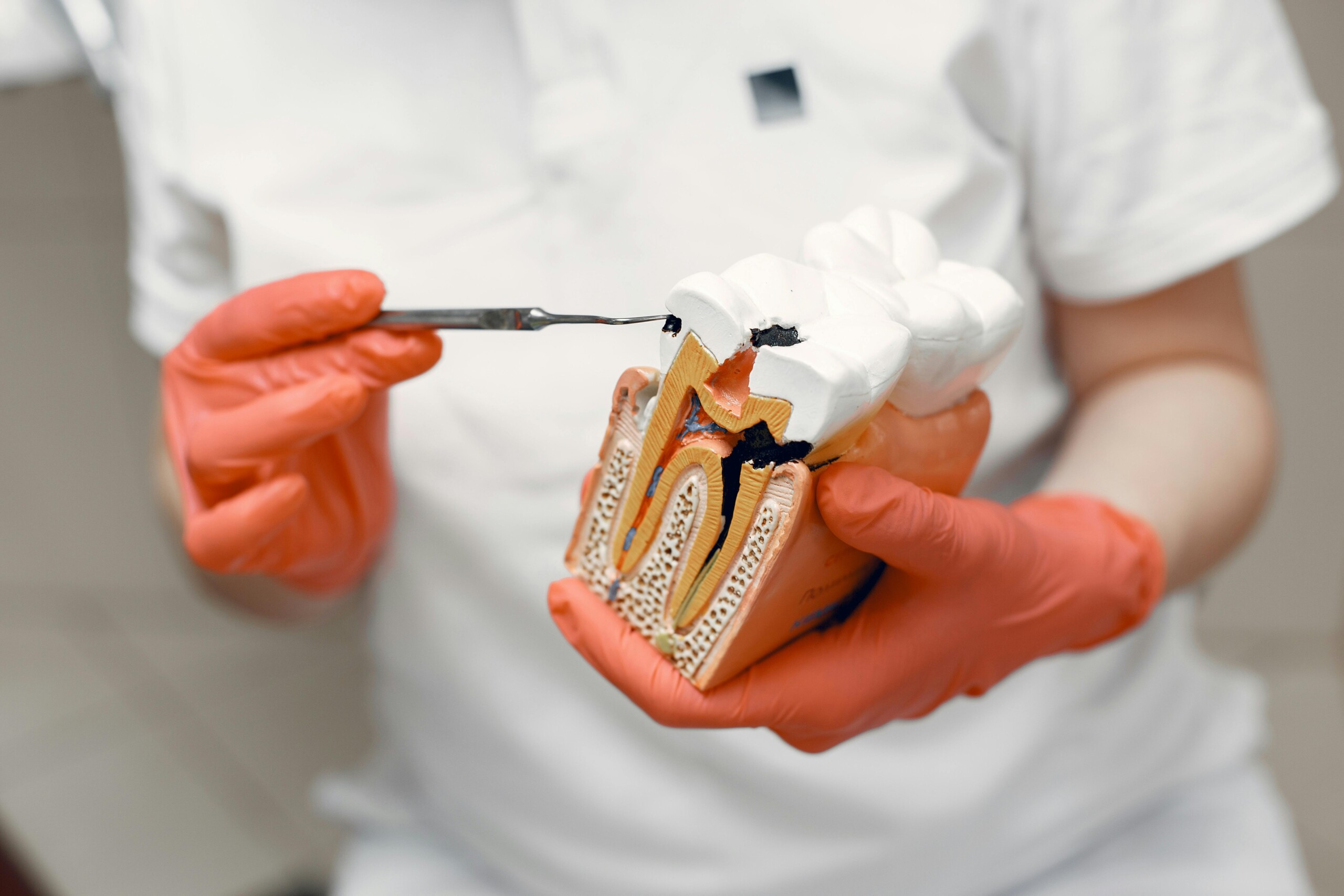
Tooth decay is one of the most common dental problems in the UK, yet it is often overlooked until pain or visible damage appears. Many people assume decay only affects children, but adults are just as vulnerable—especially when early warning signs are ignored. Dr Soltani,