
Share
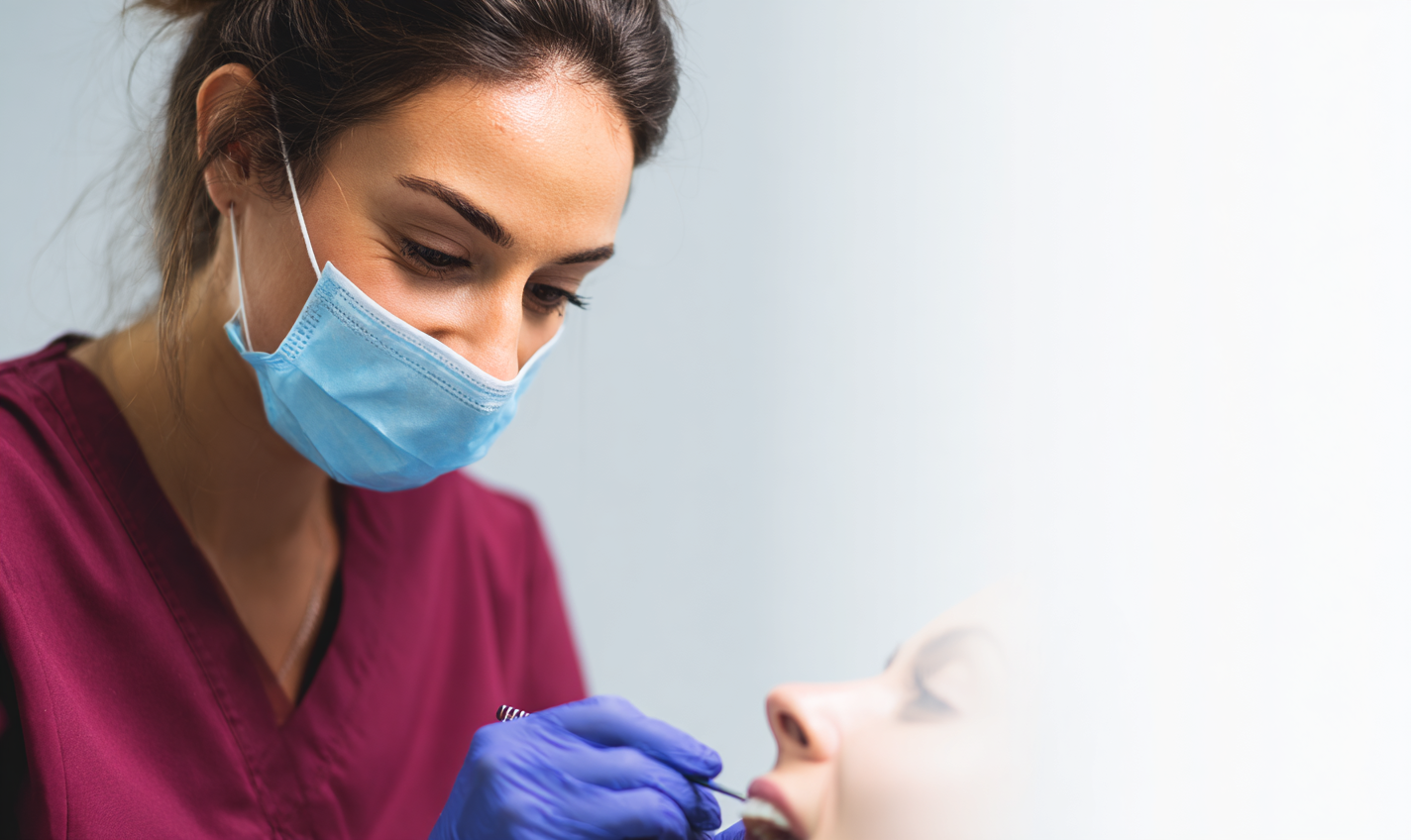
Oral cancer is a serious condition that often goes unnoticed in its early stages. Many people are unaware that routine dental check-ups include screening for oral cancer, which plays a crucial role in early detection and successful treatment.
Dr Soltani, a trusted dentist in Surbiton, Surrey, believes that awareness and regular screening are key to protecting patients’ health. In this article, we explain what oral cancer screening involves, why it matters, and how it can help save lives.
What Is Oral Cancer Screening?
Oral cancer screening is a quick, painless examination carried out by a dentist to check for early signs of cancer or pre-cancerous changes in the mouth, lips, tongue, throat, and surrounding tissues.
Common signs dentists look for include:
-
Persistent mouth ulcers that do not heal
-
Red or white patches inside the mouth
-
Lumps, swellings, or thickened tissue
-
Changes in speech, swallowing, or jaw movement
Common risk factors include:
-
Smoking or tobacco use
-
Excessive alcohol consumption
-
Human papillomavirus (HPV)
-
Prolonged sun exposure to the lips
Why Oral Cancer Often Goes Unnoticed
1. Early Symptoms Are Subtle
In the early stages, oral cancer may cause little or no pain, making it easy to ignore.
2. Symptoms Can Mimic Minor Issues
Mouth ulcers or sore spots are often mistaken for harmless problems, delaying diagnosis.
3. Lack of Awareness
Many people are unaware that dentists routinely check for oral cancer during examinations.
Warning Signs & Symptoms
You should seek professional advice if you notice:
-
Mouth ulcers lasting longer than three weeks
-
Persistent soreness or pain in the mouth
-
Lumps in the mouth, neck, or jaw
-
Difficulty chewing, swallowing, or speaking
-
Unexplained bleeding or numbness
Early detection through screening significantly improves treatment outcomes.
Prevention and Screening Options
How You Can Reduce Risk:
-
Avoid smoking and tobacco products
-
Limit alcohol consumption
-
Maintain good oral hygiene
-
Attend regular dental check-ups
Oral Cancer Screening at Our Clinic:
-
Visual and physical examination of the mouth and neck
-
Assessment of soft tissues, tongue, and throat
-
Monitoring of any unusual areas
-
Referral for further investigation if needed
Screening is quick, non-invasive, and carried out as part of a routine dental examination.
mportance of Early Intervention
When oral cancer is detected early, treatment is often simpler and far more effective. Delayed diagnosis can lead to:
-
More complex medical treatment
-
Greater impact on speech, eating, and appearance
-
Reduced survival rates
Regular screening allows potential issues to be identified before they become serious.
FAQs
Q1: How often should I have an oral cancer screening?
Oral cancer screening is usually included in routine dental check-ups. Most patients benefit from screening every six months, though your dentist may recommend a different interval based on your risk factors.
Q2: Is oral cancer screening painful?
No. Screening is completely painless and only takes a few minutes as part of your dental examination.
Q3: Who is most at risk of oral cancer?
People who smoke, drink alcohol frequently, or have HPV are at higher risk, but oral cancer can affect anyone.
Q4: What happens if something unusual is found?
If any suspicious areas are detected, your dentist will explain the findings and arrange further tests or referrals if necessary.
Conclusion
Oral cancer screening is a simple yet potentially life-saving part of routine dental care. Early detection offers the best chance of successful treatment and long-term health.
Dr Soltani in Surbiton, Surrey is committed to providing thorough oral cancer screening as part of comprehensive dental care. If you have concerns or would like to book a check-up, please contact [email protected] today. Your health is worth protecting.
Gum disease, also known as periodontal disease, is one of the most common oral health issues affecting adults worldwide. If left untreated, it can lead to tooth loss, jawbone deterioration, and even impact overall health. Fortunately, periodontal treatment in Surbiton offers a proven way to prevent and

Achieving a straight, confident smile is a goal for many people, and understanding the duration of teeth straightening is an essential part of planning orthodontic treatment. The timeline can vary depending on the severity of dental misalignment, the type of treatment used, and individual patient