
Share
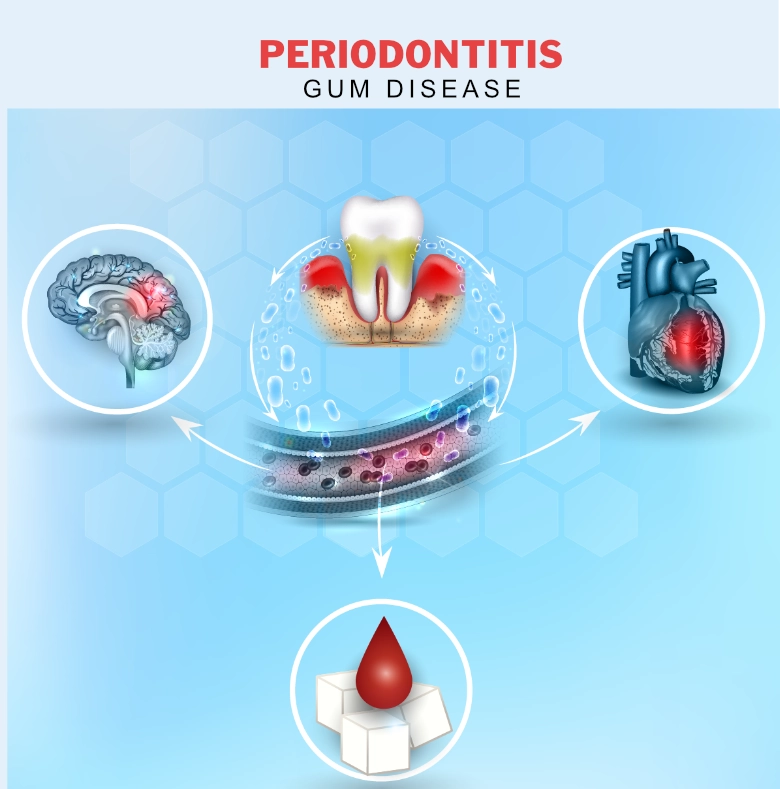
Gum disease is often seen as a local problem affecting the mouth, but growing research shows it can have far wider implications for general health. Many patients are surprised to learn that ongoing gum inflammation may be linked to several long-term health conditions throughout the body.
Dr Soltani, a trusted dentist serving patients in Kingston and the surrounding Surrey area, explains how gum disease can affect overall health and why early diagnosis and treatment are essential.
What Is Gum Disease?
Gum disease, also known as periodontal disease, is a chronic inflammatory condition caused by harmful bacteria around the teeth and gums. It usually begins as gingivitis, which is mild and reversible, but can progress to periodontitis if left untreated.
Common signs of gum disease include:
-
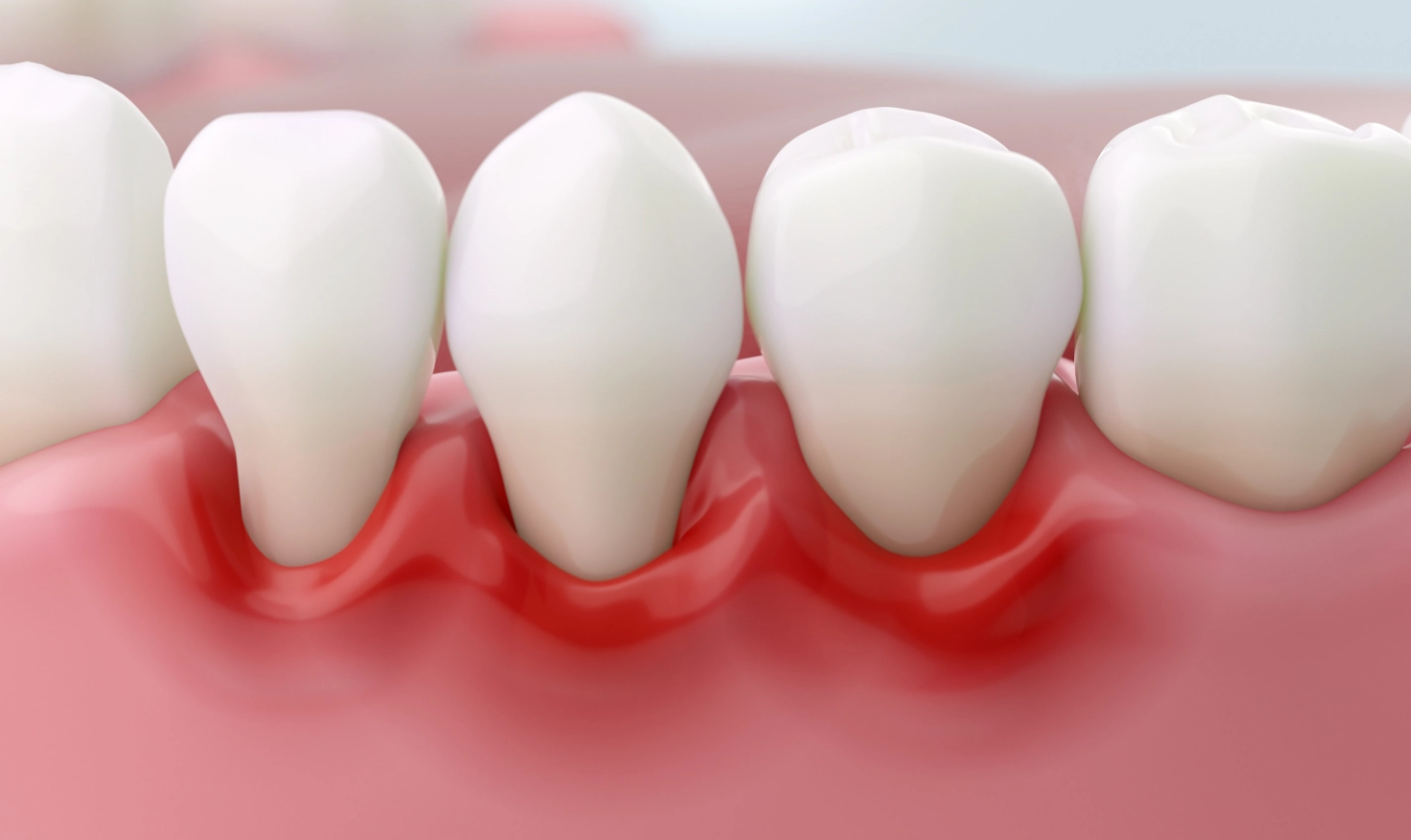
Red, swollen or tender gums
-
Bleeding when brushing or flossing
-
Persistent bad breath
-
Gum recession or loose teeth
Why Gum Disease Can Affect the Whole Body
The mouth is closely connected to the rest of the body through the bloodstream. When gum disease is present, bacteria and inflammatory chemicals can enter circulation, potentially influencing other organs and systems.
Key contributing factors include:
-
Chronic inflammation
-
Bacterial spread from infected gums
-
An overworked immune response
Over time, this ongoing inflammation may contribute to wider health concerns.
Long-Term Health Impacts Linked to Gum Disease
1. Cardiovascular Health
Studies suggest a link between gum disease and heart conditions. Inflammation caused by gum infection may contribute to the narrowing of blood vessels, increasing cardiovascular risk.
2. Diabetes Management
Gum disease and diabetes have a two-way relationship. Gum inflammation can make blood sugar harder to control, while diabetes increases the risk of gum disease. Managing gum health is an important part of overall diabetic care.
3. Respiratory Health
Bacteria from the mouth can be inhaled into the lungs, particularly in vulnerable individuals, potentially contributing to respiratory infections and lung conditions.
4. Immune System Strain
Long-term gum disease places continuous demand on the immune system, reducing its ability to respond effectively elsewhere in the body.
Warning Signs You Should Not Ignore
Seek professional advice if you experience:
-
Persistent gum bleeding
-
Ongoing bad breath
-
Gum recession
-
Loose or shifting teeth
Early treatment can significantly reduce the risk of long-term complications.
Prevention and Treatment Options
Preventing Gum Disease
-
Brush twice daily with fluoride toothpaste
-
Clean between teeth with floss or interdental brushes
-
Attend regular dental check-ups and hygiene appointments
-
Avoid smoking
-
Maintain a balanced diet
Professional Treatment
At Dr Soltani’s practice serving Kingston and Surrey, gum disease treatment may include:
-
Professional deep cleaning
-
Personalised oral hygiene advice
-
Periodontal maintenance programmes
-
Ongoing monitoring and support
Treatments are designed to control infection, reduce inflammation, and protect both oral and general health.
Why Early Intervention Matters
If gum disease is left untreated, it can lead to:
-
Tooth loss
-
Jawbone deterioration
-
Increased risk of systemic health complications
-
More complex and costly treatment
Early professional care helps preserve teeth, protect general health, and improve quality of life.
FAQs
Q1: Can gum disease really affect my general health?
Yes. Research shows links between gum disease and conditions such as heart disease, diabetes, and respiratory problems due to chronic inflammation and bacterial spread.
Q2: Is gum disease reversible?
Early-stage gum disease (gingivitis) is usually reversible with professional care and good oral hygiene. Advanced periodontitis can be managed but not fully reversed.
Q3: How often should I have my gums checked?
Most patients benefit from regular six-monthly dental check-ups, although those with gum disease may need more frequent reviews.
Q4: Can treating gum disease improve overall health?
Managing gum disease reduces inflammation and bacterial load, which may positively impact overall health and wellbeing.
Conclusion
Gum disease is not just a dental issue-it can affect your overall health if left untreated. Understanding the wider impact of gum disease highlights the importance of early detection, prevention, and professional care.
If you are concerned about your gum health or would like a professional assessment, contact Dr Soltani and the team today. Call 0208 339 9333 or email [email protected] to book your consultation. Protecting your gums is an important step towards protecting your long-term health.
Related Posts

Gum disease, also known as periodontal disease, is one of the most common oral health issues affecting adults worldwide. If left untreated, it can lead to tooth loss, jawbone deterioration, and even impact overall health. Fortunately, periodontal treatment in Surbiton offers a proven way to prevent and
Periodontal disease is chronic inflammation that affects the gum and supporting tissues around the teeth. Research has associated gum disease with other health problems such as diabetes and cardiovascular disease. Research has shown that bacteria, which has accumulated in the mouths of patients with periodontal