Preventing Tooth Decay: How to Protect Your Smile for Life
Tooth decay is one of the most common dental problems affecting both children and adults. Many patients are surprised to learn that cavities and enamel damage can often be prevented with the right daily habits and regular professional care.
At Surbiton Smile Centre, Dr Soltani and the team are committed to helping patients maintain healthy teeth and gums through preventive dentistry and personalised care. As a trusted Dentist in Surbiton, the practice supports patients across Surbiton, Kingston upon Thames, and Surrey in protecting their smiles for the long term.
This article explains what causes tooth decay, warning signs to look out for, and the most effective ways to prevent it.
What Is Tooth Decay?
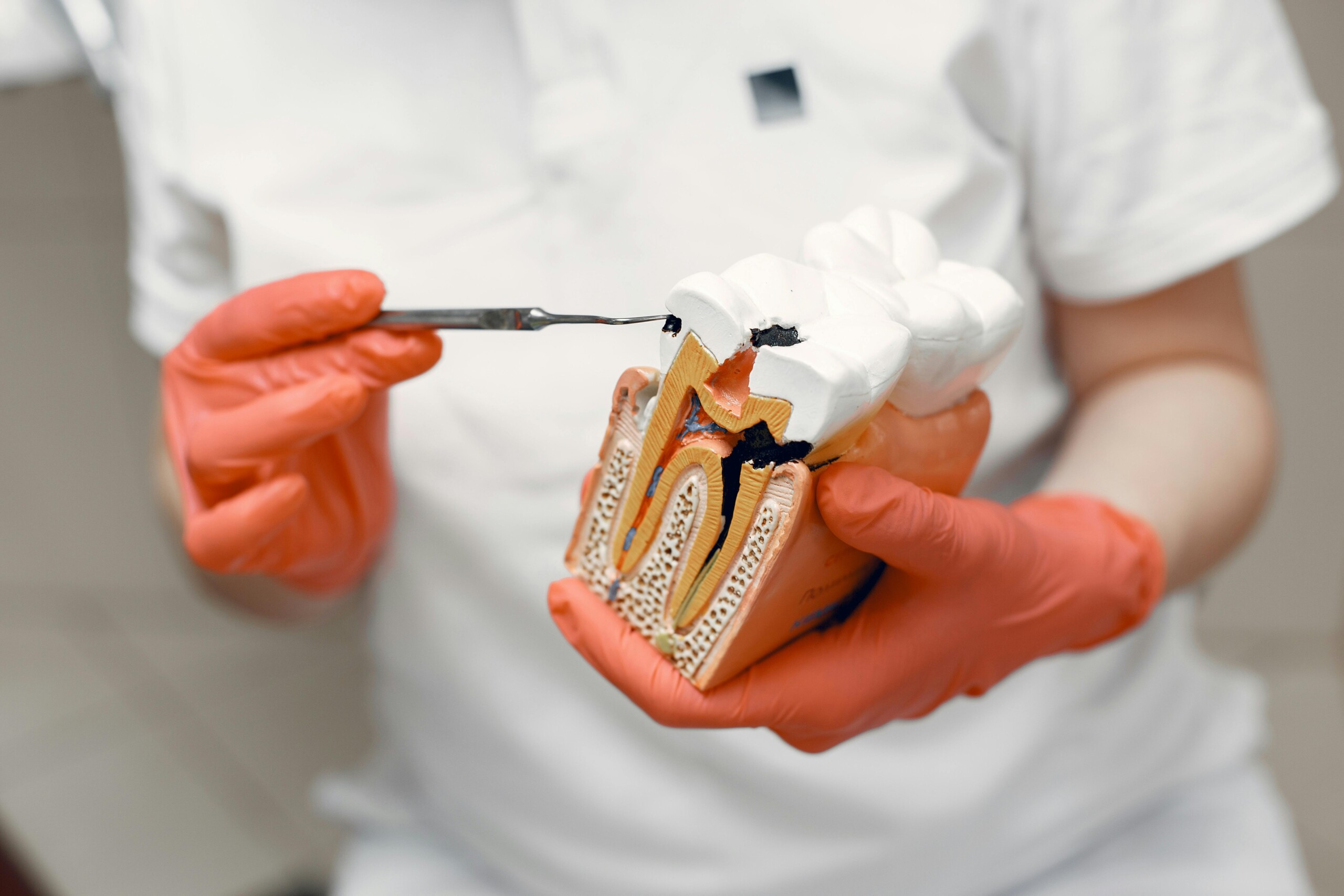
Tooth decay occurs when bacteria in the mouth produce acids that gradually damage the enamel, the hard outer layer of the teeth.
This process often develops slowly over time and may begin without noticeable symptoms. If left untreated, decay can progress deeper into the tooth, leading to pain, infection, and more complex dental treatment.
Common causes of tooth decay include:
- Poor oral hygiene
- Frequent sugary snacks or drinks
- Plaque build-up
- Acidic foods and beverages
- Dry mouth
- Skipping regular dental check-ups
Preventive care plays a vital role in stopping decay before it becomes a serious problem.
Signs You May Have Tooth Decay
Early tooth decay may not always cause discomfort, which is why routine dental examinations are important.
Common warning signs include:
- Tooth sensitivity to hot, cold, or sweet foods
- Visible dark spots or holes in teeth
- Persistent bad breath
- Toothache or discomfort when chewing
- Rough or weakened enamel
- Food frequently getting trapped between teeth
If you notice any of these symptoms, visiting a Dentist in Surbiton promptly can help prevent further damage.
How to Prevent Tooth Decay
1. Brush Teeth Properly Twice Daily
Brushing your teeth correctly is one of the most important ways to protect against decay.
For effective cleaning:
- Brush for at least two minutes twice daily
- Use fluoride toothpaste
- Clean along the gumline carefully
- Replace your toothbrush every 3 months
- Use a soft-bristled toothbrush
Electric toothbrushes can also improve plaque removal for many patients.
2. Clean Between Teeth Daily
Toothbrushes cannot effectively clean between all tooth surfaces.
Daily flossing or interdental cleaning helps remove plaque and trapped food particles from areas where decay commonly develops.
Options include:
- Dental floss
- Interdental brushes
- Water flossers
Your Surrey dentist can recommend the best cleaning tools for your individual needs.
3. Reduce Sugar Intake
Frequent sugar consumption significantly increases the risk of tooth decay.
Bacteria feed on sugars and produce acids that weaken enamel.
Try to limit:
- Fizzy drinks
- Sweets and chocolates
- Sugary snacks
- Energy drinks
- Frequent snacking throughout the day
Drinking water after meals can also help rinse away acids and food debris.
4. Attend Regular Dental Check-Ups
Routine dental visits allow early detection of decay before it worsens.
At Surbiton Smile Centre, regular examinations may include:
- Oral health assessments
- Digital X-rays if needed
- Professional cleaning
- Preventive advice
- Monitoring of existing restorations
Seeing a trusted Surbiton dentist regularly helps maintain long-term oral health.
5. Maintain Regular Hygiene Appointments
Professional hygiene visits remove hardened plaque and tartar that cannot be removed by brushing alone.
Dental hygienists also help patients improve brushing and flossing techniques to reduce future decay risk.
Benefits of hygiene appointments include:
- Fresher breath
- Healthier gums
- Reduced plaque build-up
- Lower risk of cavities
- Improved overall oral health
6. Use Fluoride for Extra Protection
Fluoride strengthens enamel and helps protect teeth against acid attacks.
Sources of fluoride include:
- Fluoride toothpaste
- Fluoride mouthwash
- Professional fluoride treatments
Your Dentist in Surbiton can advise whether additional fluoride treatments may benefit you or your child.
Why Preventive Dentistry Matters
Preventing decay is often simpler, less invasive, and more cost-effective than treating advanced dental problems later.
Untreated tooth decay may eventually lead to:
- Tooth infections
- Root canal treatment
- Broken teeth
- Tooth loss
- Gum disease
- Increased treatment costs
Preventive care helps patients avoid discomfort and maintain healthy natural teeth for longer.
Tooth Decay Prevention for Children
Children are particularly vulnerable to cavities due to developing oral hygiene habits and sugar intake.
Parents can help by:
- Supervising brushing routines
- Limiting sugary snacks
- Encouraging water instead of fizzy drinks
- Scheduling regular dental visits
- Introducing preventive dental care early
Early education and prevention can help children build healthy habits for life.
The Role of Diet in Oral Health
A balanced diet supports stronger teeth and healthier gums.
Foods that support oral health include:
- Cheese and dairy products
- Leafy green vegetables
- Crunchy fruits and vegetables
- Nuts
- Water
Reducing acidic and sugary foods helps protect enamel and lower decay risk.
FAQs
Q1: Can tooth decay be reversed?
Early-stage enamel damage may sometimes be slowed or improved with fluoride and good oral hygiene. However, cavities that have formed usually require dental treatment.
Q2: How often should I visit the dentist to prevent decay?
Most patients benefit from regular dental check-ups every 6 to 12 months, depending on their oral health needs.
Q3: Does sugar directly cause cavities?
Sugar feeds bacteria in the mouth, which then produce acids that damage tooth enamel and contribute to decay.
Q4: Are children more likely to develop tooth decay?
Yes. Children are often at higher risk due to sugary diets and developing brushing habits. Early preventive care is very important.
Conclusion
Preventing tooth decay is essential for maintaining a healthy, confident smile. With good daily oral hygiene, a balanced diet, and regular dental visits, many dental problems can be avoided before they become serious.
At Surbiton Smile Centre, Dr Soltani and the team provide personalised preventive dental care to help patients protect their long-term oral health in a comfortable and supportive environment.
If you would like advice on preventing tooth decay or would like to book a dental examination, contact Surbiton Smile Centre today.
📞 Call 0208 339 9333
✉️ [email protected]
Book your appointment with a trusted Dentist in Surbiton serving patients across Kingston upon Thames and Surrey.
Related Posts
Tooth decay is one of the most common dental problems in the UK, yet it is often overlooked until pain or visible damage appears. Many people assume decay only affects children, but adults are just as vulnerable—especially when early warning signs are ignored. Dr Soltani,
Oral cancer is a serious condition that often goes unnoticed in its early stages. Many people are unaware that routine dental check-ups include screening for oral cancer, which plays a crucial role in early detection and successful treatment. Dr Soltani, a trusted dentist in Surbiton,