
Share
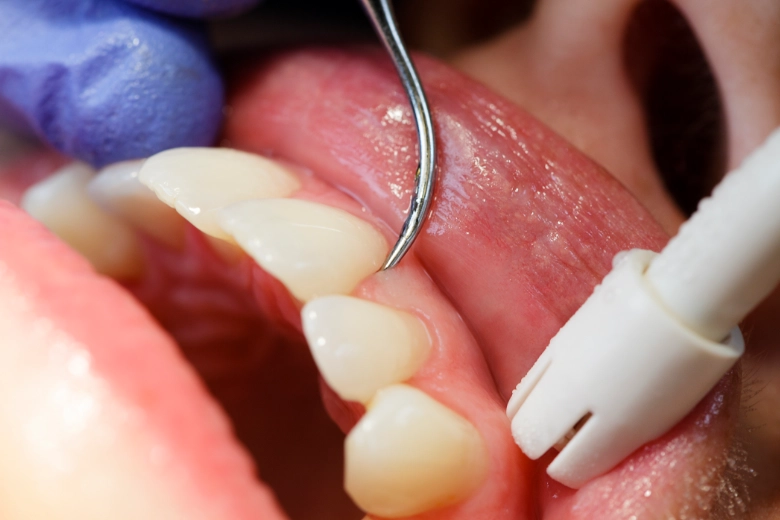
Gum disease, also known as periodontitis, is more than just bleeding gums or bad breath — it can also influence your overall immune system. Recent research from the University of Pennsylvania has shown that the bacteria responsible for gum disease manipulate the immune system in ways that allow harmful bacteria to thrive, creating a cycle of inflammation and tissue damage.
Dr Soltani, a trusted dentist in Surbiton, Surrey, explains the implications of this discovery and how it reinforces the importance of good oral health and regular dental check-ups.
What Is Gum Disease?
Gum disease is an infection of the gums that occurs when plaque and bacteria build up around the teeth. It can start as gingivitis (mild inflammation) and progress to periodontitis, which affects the supporting bone and tissues of the teeth.
Common symptoms include:
- Red, swollen, or tender gums
- Bleeding during brushing or flossing
- Persistent bad breath
- Loose teeth or receding gums
Key causes:
- Poor oral hygiene
- Smoking or tobacco use
- Hormonal changes
- Certain medical conditions, including diabetes
How Gum Disease Affects the Immune System
1. The Role of Bacteria
Research has shown that a specific bacterium, Porphyromonas gingivalis, acts as a “keystone pathogen.” Although it may be present in small numbers, it influences the overall microbial community in the mouth, creating an imbalance called dysbiosis.
2. Two-Pronged Manipulation
P. gingivalis affects the immune system in two ways:
- Blocking immune cells’ killing ability — allowing bacteria to survive
- Preserving the inflammatory response — which provides nutrients to the bacterial community
This combination creates a vicious cycle, where inflammation feeds harmful bacteria, worsening gum disease over time.
3. Molecular Pathways
The bacteria manipulate two key pathways in immune cells (neutrophils):
- TLR2-C5aR crosstalk — disarms the body’s natural infection-fighting pathway
- PI3K activation — promotes inflammation while preventing bacteria from being cleared
This sophisticated strategy helps bacteria survive while maintaining inflammation, which contributes to the bone loss and gum damage seen in periodontitis.
How This Research Helps Patients
Understanding how gum disease bacteria manipulate the immune system opens new avenues for treatment:
- Potential drugs targeting specific immune pathways could improve bacterial clearance
- Treatments could reduce inflammation while helping the body fight infection
- Greater awareness of the link between oral health and systemic health
Practical Advice for Patients
Prevention is essential:
- Brush twice daily with fluoride toothpaste
- Clean between teeth with floss or interdental brushes
- Attend regular dental check-ups in Surbiton
- Avoid smoking and limit alcohol
- Maintain a balanced diet to support oral and overall health
Early treatment matters:
- Professional cleaning and periodontal therapy can reduce bacterial load
- Treating gum disease early helps prevent systemic complications
- Regular monitoring ensures the immune system can function optimally
Warning Signs & Symptoms
You should seek advice from a dentist if you notice:
- Bleeding gums
- Persistent bad breath
- Red, swollen, or painful gums
- Loose teeth or receding gums
Early detection and intervention can prevent more serious oral and systemic issues.
FAQs
Q1: Can gum disease really affect my immune system?
Yes. Research shows that certain bacteria in gum disease can manipulate immune cells, reducing their ability to fight infection while promoting inflammation. This highlights the importance of maintaining healthy gums.
Q2: Who is most at risk of gum disease?
Adults who smoke, have poor oral hygiene, or suffer from conditions such as diabetes are at higher risk. Regular dental visits are essential to detect early signs.
Q3: Can gum disease be treated?
Absolutely. Professional cleaning, periodontal therapy, and good at-home oral hygiene can control gum disease and prevent it from progressing.
Q4: Does treating gum disease improve overall health?
Treating gum disease reduces inflammation in the mouth, which may benefit the immune system and lower the risk of related health problems.
Conclusion
Gum disease is not just a local oral problem — it can influence your immune system and overall health. Early detection, proper oral hygiene, and professional care are key to preventing serious complications.
Dr Soltani in Surbiton, Surrey provides expert periodontal care and regular screening to help patients maintain both oral and general health. To book a consultation or discuss your gum health, contact us at [email protected] today. Protecting your gums is an investment in your long-term health.

Gum disease, also known as periodontal disease, is one of the most common oral health issues affecting adults worldwide. If left untreated, it can lead to tooth loss, jawbone deterioration, and even impact overall health. Fortunately, periodontal treatment in Surbiton offers a proven way to prevent and

Achieving a straight, confident smile is a goal for many people, and understanding the duration of teeth straightening is an essential part of planning orthodontic treatment. The timeline can vary depending on the severity of dental misalignment, the type of treatment used, and individual patient