
Share

Many people are surprised to learn that gum disease and diabetes are closely linked. While they may seem like separate health issues, research shows that each condition can significantly affect the other. Unfortunately, this connection is often overlooked, which can lead to worsening oral and general health.
Dr Soltani, a trusted dentist in Surbiton, Surrey, regularly helps patients understand how managing gum health plays an important role in supporting overall wellbeing, particularly for those living with diabetes.
What Is Gum Disease?
Gum disease, also known as periodontal disease, is an infection of the gums caused by plaque and bacteria building up around the teeth. It begins as gingivitis and can progress to periodontitis if left untreated, leading to damage to the gums and supporting bone.
Common symptoms include:
-
Red, swollen, or tender gums
-
Bleeding when brushing or flossing
-
Persistent bad breath
-
Receding gums or loose teeth
Typical causes or contributing factors:
-
Poor oral hygiene
-
Smoking or vaping
-
Hormonal changes
-
Medical conditions such as diabetes
How Diabetes Affects Gum Health
Diabetes can make it harder for the body to fight infections, including those affecting the gums. High blood sugar levels also create an environment where harmful bacteria thrive.
1. Reduced Immune Response
Diabetes weakens the body’s ability to fight bacteria, increasing the risk of gum infections.
2. Higher Blood Sugar Levels
Elevated glucose in saliva encourages plaque build-up, leading to inflammation and infection of the gums.
3. Slower Healing
People with diabetes may heal more slowly, allowing gum disease to progress more rapidly if not treated early.
How Gum Disease Can Affect Diabetes
The relationship between gum disease and diabetes works both ways. Gum infections can make it harder to control blood sugar levels.
1. Increased Inflammation
Gum disease causes chronic inflammation, which can interfere with the body’s ability to regulate insulin.
2. Poor Blood Sugar Control
Untreated gum disease may contribute to fluctuating glucose levels, making diabetes management more challenging.
3. Greater Risk of Complications
Long-term inflammation can increase the risk of diabetes-related complications affecting overall health.
Warning Signs & Symptoms
If you have diabetes, watch for the following signs of gum disease:
-
Gums that bleed easily
-
Swollen or painful gums
-
Receding gum line
-
Loose teeth or changes in bite
Early diagnosis by a dental professional is essential to prevent long-term complications.
Prevention and Treatment Options
Prevention Tips:
-
Brush twice daily with fluoride toothpaste
-
Clean between teeth using floss or interdental brushes
-
Maintain good blood sugar control
-
Attend regular dental check-ups in Surbiton
Treatment Options at Our Clinic:
-
Professional scale and polish treatments
-
Deep gum cleaning (periodontal therapy)
-
Ongoing gum health monitoring
-
Personalised oral hygiene advice
Dr Soltani tailors treatment plans to support both oral health and diabetes management.
Importance of Early Intervention
When gum disease is left untreated, especially in patients with diabetes, it can lead to:
-
Tooth loss
-
Worsening blood sugar control
-
Increased risk of infections
Early professional care helps protect your teeth, gums, and overall health while reducing the need for more complex treatment.
FAQs
Q1: Does having diabetes mean I will get gum disease?
Having diabetes does not automatically mean you will develop gum disease, but it does increase your risk. Higher blood sugar levels can weaken the body’s ability to fight infection, making gum problems more likely. With good oral hygiene, regular dental visits, and well-managed diabetes, many patients maintain healthy gums.
Q2: Can treating gum disease help control diabetes?
Yes, treating gum disease may help improve blood sugar control. Reducing gum inflammation can lower the body’s overall inflammatory response, which may make it easier to manage glucose levels alongside medical care.
Q3: How often should diabetic patients see a dentist?
Many patients with diabetes benefit from more frequent dental check-ups than average. Dr Soltani will assess your gum health and recommend a personalised schedule to help prevent and manage gum disease effectively.
Q4: Should I tell my dentist if I have diabetes?
Yes, it is very important to inform your dentist if you have diabetes. This allows your dental care to be tailored safely and effectively, taking into account healing times, infection risk, and overall oral health management.
Conclusion
Gum disease and diabetes are closely connected, but with the right care, both can be managed effectively. Maintaining healthy gums plays a vital role in supporting overall wellbeing.
If you have diabetes or concerns about your gum health, Dr Soltani in Surbiton, Surrey is here to help. For expert advice or to book a consultation, contact us at [email protected], or call 0208 339 933 today. Taking care of your gums is an important step towards better health.

Gum disease, also known as periodontal disease, is one of the most common oral health issues affecting adults worldwide. If left untreated, it can lead to tooth loss, jawbone deterioration, and even impact overall health. Fortunately, periodontal treatment in Surbiton offers a proven way to prevent and
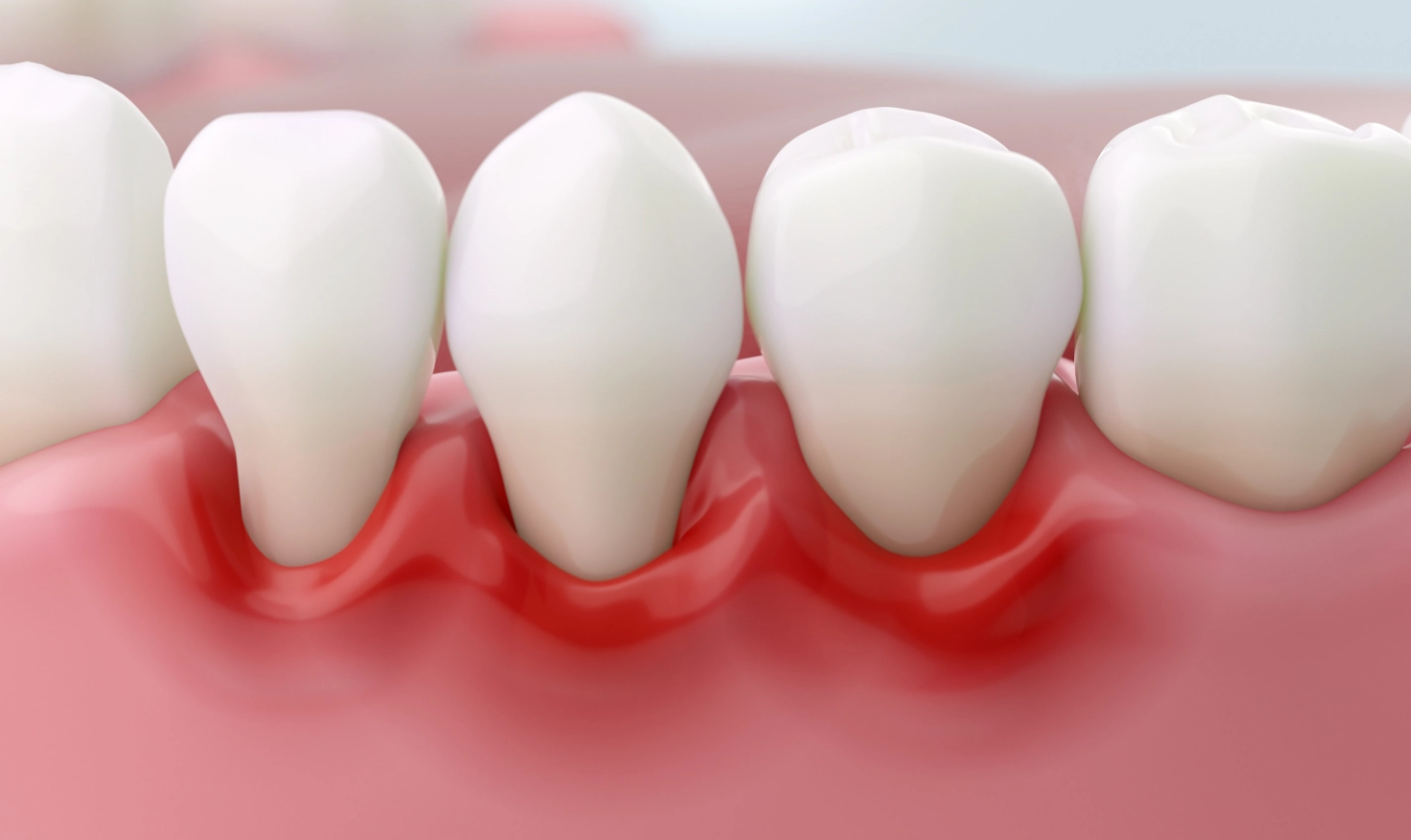
Periodontal disease is chronic inflammation that affects the gum and supporting tissues around the teeth. Research has associated gum disease with other health problems such as diabetes and cardiovascular disease. Research has shown that bacteria, which has accumulated in the mouths of patients with periodontal