Share
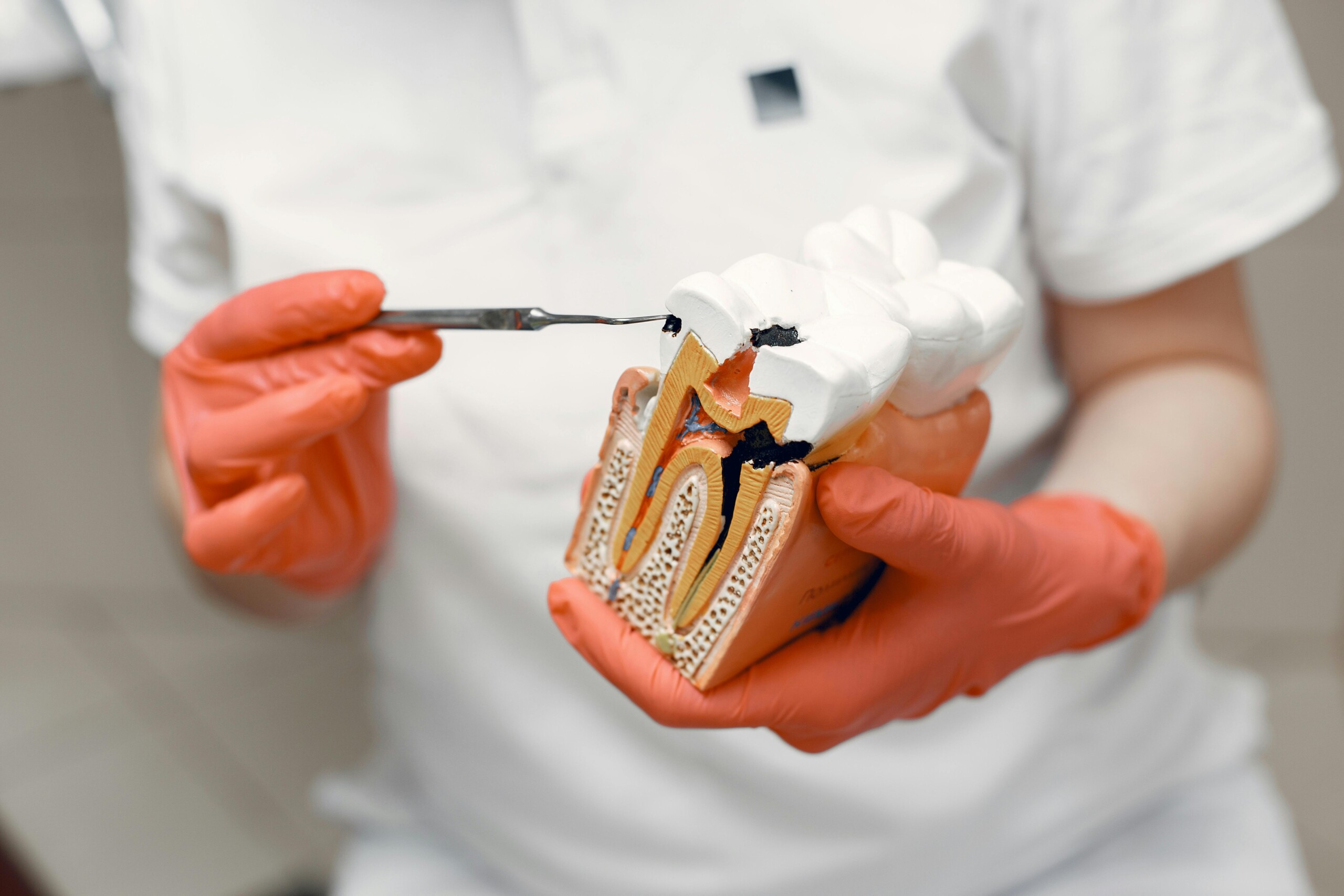
Tooth decay is one of the most common dental problems in the UK, yet it is often overlooked until pain or visible damage appears. Many people assume decay only affects children, but adults are just as vulnerable—especially when early warning signs are ignored.
Dr Soltani, a trusted dentist in Surbiton, Surrey, regularly helps patients prevent and treat tooth decay using modern, gentle techniques. In this blog, he explains how tooth decay develops, what to watch out for, and how you can protect your teeth long term.
What Is Tooth Decay?
Tooth decay occurs when bacteria in the mouth produce acids that gradually wear away the enamel, the hard outer layer of the tooth. If decay progresses, it can reach the inner layers of the tooth, leading to pain, infection, and possible tooth loss.
Common symptoms of tooth decay include:
-
Sensitivity to hot, cold, or sweet foods
-
Toothache or discomfort when biting
-
Visible holes or dark spots on teeth
-
Bad breath or an unpleasant taste
Typical causes include:
-
Frequent sugary or acidic foods and drinks
-
Poor oral hygiene habits
-
Dry mouth or reduced saliva flow
-
Crowded or misaligned teeth that trap plaque
How Diet and Oral Habits Contribute to Tooth Decay
1. Sugar and Acid Consumption
Sugary snacks and drinks feed harmful bacteria, while acidic foods weaken enamel, making teeth more vulnerable to decay.
2. Inadequate Oral Hygiene
Not brushing twice daily or skipping flossing allows plaque to build up, increasing the risk of cavities.
3. Reduced Saliva
Saliva plays a vital role in protecting teeth. Conditions or medications that reduce saliva can significantly raise decay risk.
Warning Signs & Symptoms
Early detection is key to preventing serious dental problems. Watch out for:
-
Sensitivity when eating or drinking
-
Persistent toothache
-
White, brown, or black spots on teeth
-
Swelling or tenderness around a tooth
Seeing a dentist early can often prevent the need for more complex treatment.
Prevention and Treatment Options
How to Prevent Tooth Decay:
-
Brush twice daily with fluoride toothpaste
-
Clean between teeth using floss or interdental brushes
-
Limit sugary snacks and drinks
-
Attend regular dental check-ups in Surbiton
Treatment Options Available at Our Clinic:
-
Tooth-coloured fillings to repair cavities
-
Root canal treatment to save infected teeth
-
Dental crowns to protect weakened teeth
-
Preventive care, including fluoride treatments
Dr Soltani always aims to preserve natural teeth wherever possible using comfortable, effective treatments.
Importance of Early Intervention
When tooth decay is left untreated, it can lead to:
-
Severe pain or dental abscesses
-
Tooth loss
-
More complex and costly dental treatment
Early intervention helps maintain oral health, reduce discomfort, and protect your smile.
FAQs
Q1: How do I know if I have tooth decay?
Early decay may cause mild sensitivity or small spots on teeth, but it is often painless. Regular dental check-ups are the best way to detect decay early.
Q2: Is treatment for tooth decay painful?
Modern dental techniques and local anaesthetic make treatment far more comfortable than many patients expect.
Q3: Can tooth decay be reversed?
Very early decay may be managed with fluoride and improved oral hygiene. Once a cavity forms, restorative treatment is required.
Q4: How often should I see a dentist to prevent decay?
Most patients benefit from check-ups every six months, although Dr Soltani may recommend a personalised schedule.
Conclusion
Tooth decay is common, but it is largely preventable with good oral hygiene, healthy habits, and regular dental care. Early treatment can protect your teeth and save you discomfort in the future.
If you are concerned about tooth decay or would like personalised advice, Dr Soltani in Surbiton, Surrey is here to help. To book a consultation, please contact [email protected] today. Taking care of your teeth now is an investment in your long-term health.
Gum disease, also known as periodontal disease, is one of the most common oral health issues affecting adults worldwide. If left untreated, it can lead to tooth loss, jawbone deterioration, and even impact overall health. Fortunately, periodontal treatment in Surbiton offers a proven way to prevent and
Oral cancer is a serious condition that often goes unnoticed in its early stages. Many people are unaware that routine dental check-ups include screening for oral cancer, which plays a crucial role in early detection and successful treatment. Dr Soltani, a trusted dentist in Surbiton,