Share
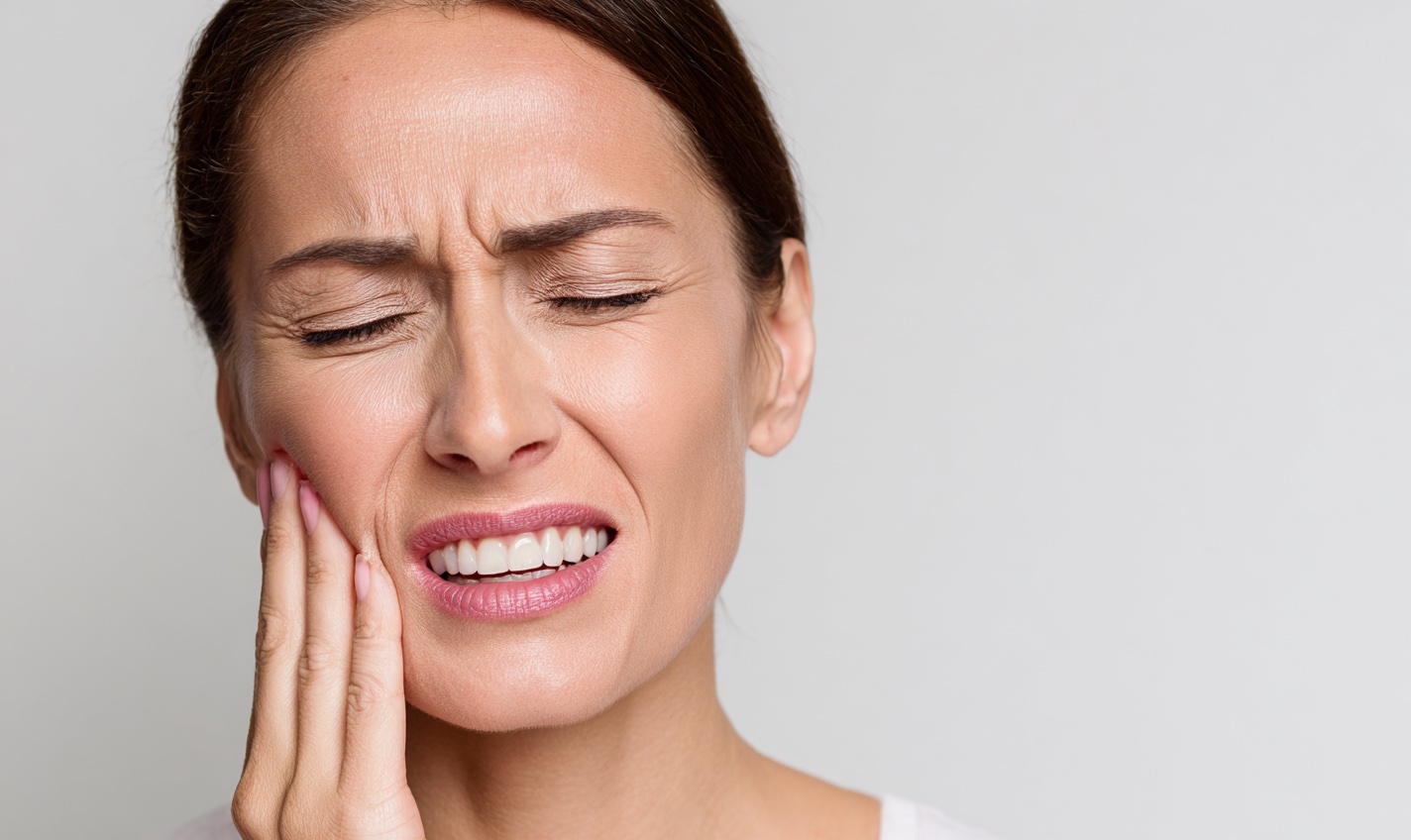
Temporomandibular joint (TMJ) disorders are a common but often misunderstood dental condition that can cause jaw pain, difficulty chewing, headaches, and even ear discomfort. While there are several potential causes, one factor that patients frequently overlook is missing teeth. According to dentists at Surbiton Smile Centre, gaps in your smile can significantly impact jaw alignment and contribute to TMJ issues.
If you’re experiencing jaw discomfort or have missing teeth, consulting a qualified dentist is crucial. Surbiton Smile Centre, located in Surbiton, Surrey, offers expert dental care to restore your smile and address TMJ problems. You can reach the clinic by phone at 0208 339 9333 or via email at [email protected].
What Are TMJ Disorders?
The temporomandibular joints connect your lower jaw to your skull, enabling you to talk, chew, and yawn. When these joints or surrounding muscles are strained, it can lead to a TMJ disorder. Common symptoms include:
- Jaw pain or tenderness
- Clicking, popping, or grating sounds when opening or closing the mouth
- Difficulty chewing or discomfort while eating
- Headaches or facial tension
- Ear pain or ringing in the ears
TMJ disorders can develop from various factors, including teeth grinding, jaw injuries, and, importantly, missing teeth.
How Missing Teeth Affect the TMJ
Each tooth plays an important role in maintaining proper jaw alignment and distributing chewing forces evenly. When a tooth is lost, the balance of your bite can be disrupted. This may cause the jaw to adjust unnaturally, putting extra strain on the TMJ and surrounding muscles.
Here are some ways missing teeth contribute to TMJ problems:
- Shifting of Adjacent Teeth
When a tooth is missing, surrounding teeth may drift into the empty space. This can misalign your bite, causing uneven pressure on the jaw and increasing the risk of TMJ discomfort. - Uneven Bite Forces
A balanced bite distributes chewing forces across all teeth. Gaps caused by missing teeth force certain teeth and muscles to work harder, creating tension in the jaw joint. - Reduced Muscle Support
Teeth provide natural support for the jaw muscles. Missing teeth can cause muscles to overwork, leading to fatigue, pain, and even headaches over time.
Signs You Might Have a TMJ Disorder
Early detection is key to preventing more severe issues. Patients with missing teeth should watch for:
- Jaw clicking, popping, or grinding noises
- Pain that increases when chewing or opening the mouth
- Locking or restricted movement of the jaw
- Earaches or discomfort around the temples
- Frequent headaches or facial tension
If you experience any of these symptoms, consulting a dentist promptly is recommended.
Preventing TMJ Disorders After Tooth Loss
The good news is that TMJ problems caused by missing teeth can often be prevented with timely dental intervention. Surbiton Smile Centre recommends the following strategies:
- Replace Missing Teeth
Dental implants, bridges, or dentures can restore gaps in your smile. Implants, in particular, mimic natural teeth and preserve jawbone integrity, preventing teeth from shifting and reducing TMJ strain. - Regular Dental Check-Ups
Routine visits allow your dentist to monitor bite alignment and detect early signs of TMJ stress. Your dentist can ensure any restorative work is functioning correctly and not causing jaw discomfort. - Bite Adjustments
If your bite has been affected by missing teeth, your dentist may recommend minor adjustments to distribute chewing forces evenly. This can help alleviate pressure on the TMJ and prevent further complications. - Healthy Jaw Habits
Avoid chewing excessively hard foods, practice stress management, and consider a custom-made mouthguard if you grind your teeth at night. These small lifestyle changes can reduce TMJ strain and discomfort.
The Importance of Early Intervention
Addressing missing teeth early is vital for both oral health and TMJ prevention. Untreated gaps can lead to chronic jaw pain, accelerated wear of remaining teeth, and even changes to facial structure. Surbiton Smile Centre emphasises that timely replacement of missing teeth through implants, bridges, or dentures can help maintain proper jaw function and prevent TMJ disorders from developing.
FAQs About Missing Teeth and TMJ Disorders
Q: Can missing teeth really cause jaw pain?
A: Yes. Gaps in your smile can alter bite alignment, placing extra strain on the jaw joint and muscles.
Q: What’s the best way to replace missing teeth?
A: Dental implants are often the most effective option, though bridges and dentures can also restore function and aesthetics.
Q: How can I tell if my jaw pain is related to missing teeth?
A: If jaw discomfort coincides with gaps in your teeth, especially when chewing or opening your mouth, it’s a good idea to consult a dentist for assessment.
Q: Are TMJ disorders reversible?
A: Many TMJ symptoms can be managed or improved with timely dental care, bite adjustments, and muscle therapy. Early intervention often leads to the best outcomes.
Conclusion
Missing teeth are more than a cosmetic concern—they can significantly impact jaw alignment and contribute to TMJ disorders. At Surbiton Smile Centre in Surbiton, Surrey, our experienced team helps patients restore their smiles and maintain healthy jaw function. Through timely replacement of missing teeth, bite assessment, and personalised dental care, we aim to prevent TMJ problems and enhance overall oral health.
If you’re experiencing jaw pain or have missing teeth, don’t wait. Contact Surbiton Smile Centre at 0208 339 9333 or [email protected] to book a consultation. Visit us at 148 Ewell Road, Surbiton, Surrey, KT6 6HE and take the first step toward a healthier, more comfortable smile today.
Achieving a straight, confident smile is a goal for many people, and understanding the duration of teeth straightening is an essential part of planning orthodontic treatment. The timeline can vary depending on the severity of dental misalignment, the type of treatment used, and individual patient
Cracked tooth syndrome occurs when a tooth has a crack that is too small to show up in an X-ray or is under the gum and therefore challenging to identify. It most often appears on molars. What are the Signs that your Tooth is Cracked?