
Share
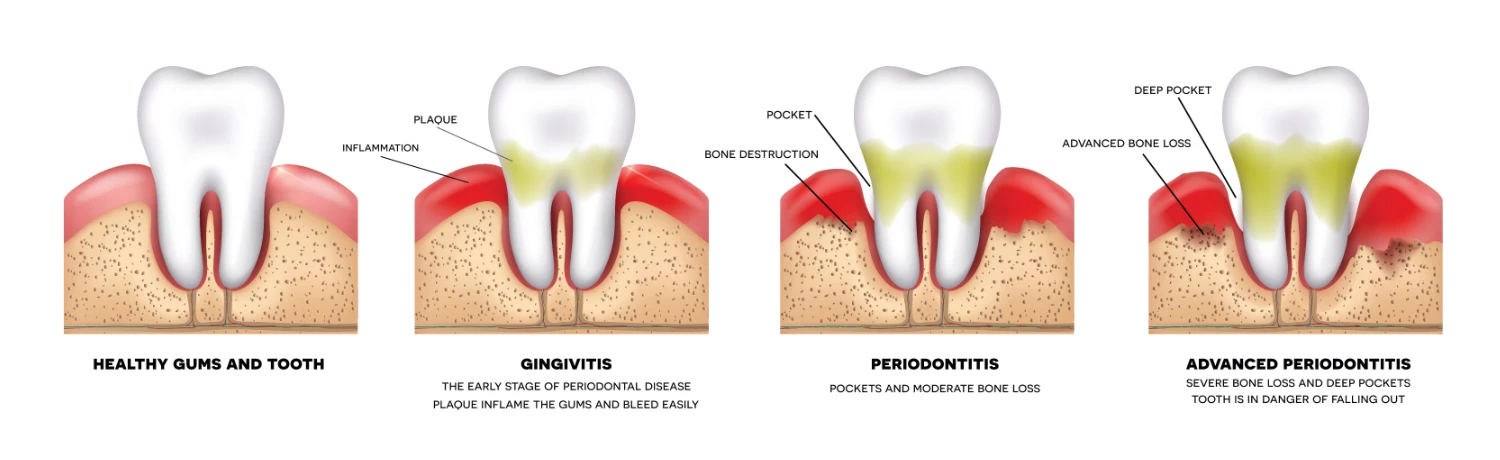
Bleeding gums are a common concern, and many patients wonder whether it is normal. While occasional minor bleeding can happen, frequent or unexplained bleeding often indicates an underlying problem. Left untreated, gum bleeding can signal early gum disease or other health issues.
Dr Soltani, a trusted dentist in Surbiton, Surrey, explains the causes of bleeding gums, the symptoms to watch for, and the treatment options available to protect your oral and overall health.
What Are Bleeding Gums?
Bleeding gums occur when the delicate tissues around the teeth become irritated or inflamed. Healthy gums are usually firm and pale pink, with no tendency to bleed. When gums bleed, it can indicate that the tissue is weakened, inflamed, or infected.
Common signs of bleeding gums include:
-
Blood on your toothbrush or floss
-
Gums that are red, swollen, or tender
-
Persistent bad breath
-
Receding gums or sensitive teeth
Common Causes of Bleeding Gums
1. Gingivitis
Gingivitis is the earliest stage of gum disease. It is caused by plaque buildup along the gumline and is reversible with proper care.
2. Periodontitis
If gingivitis is left untreated, it can progress to periodontitis, a more severe gum disease that can lead to bone loss and tooth loss.
3. Poor Oral Hygiene
Inadequate brushing and flossing allow bacteria to build up, irritating the gums and causing bleeding.
4. Hormonal Changes
Pregnancy, puberty, and menopause can increase gum sensitivity, making bleeding more likely.
5. Medications or Medical Conditions
Blood-thinning medications, diabetes, and certain blood disorders can contribute to gum bleeding.
When Bleeding Gums Are a Concern
Occasional, minor bleeding may not be serious, but see a dentist if you notice:
-
Frequent or heavy bleeding
-
Painful, swollen, or receding gums
-
Loose teeth
-
Persistent bad breath or taste
Early assessment by a dentist can prevent progression to more serious gum disease and protect your long-term oral health.
Prevention and Treatment Options
Preventing Bleeding Gums
-
Brush teeth twice daily with fluoride toothpaste
-
Floss or use interdental brushes daily
-
Attend regular dental check-ups
-
Maintain a balanced diet and avoid smoking
Professional Treatment
At Dr Soltani’s Surbiton dental practice, treatment options include:
-
Professional cleaning to remove plaque and tartar
-
Gum disease treatment programmes
-
Guidance on oral hygiene techniques
-
Monitoring for systemic health links such as diabetes or cardiovascular risk
Treatment is designed to reduce inflammation, prevent further damage, and restore healthy gums.
Importance of Early Intervention
Ignoring bleeding gums can lead to:
-
Advanced gum disease (periodontitis)
-
Tooth loss or bone deterioration
-
Greater risk of related health problems
-
More complex and costly dental treatment
Early professional care preserves both oral and overall health.
FAQs
Q1: Is it normal for gums to bleed occasionally?
Minor bleeding can happen, especially if you haven’t flossed in a while, but frequent bleeding is a sign you should see a dentist.
Q2: Can bleeding gums be reversed?
Yes. Early-stage gum disease (gingivitis) can usually be reversed with professional cleaning and improved oral hygiene.
Q3: How often should I see a dentist for gum checks?
Most patients benefit from check-ups every six months, but those with gum disease may need more frequent monitoring.
Q4: Are bleeding gums linked to other health problems?
Yes. Gum disease has been linked to conditions such as diabetes, heart disease, and respiratory issues. Treating gum disease can help reduce these risks.
Conclusion & Call to Action
Bleeding gums are not just a cosmetic issue — they can indicate serious oral and systemic health problems. Maintaining good oral hygiene and seeking early professional care is key to keeping your gums and overall health in check.
If you have bleeding gums or are concerned about gum disease, contact Dr Soltani in Surbiton, Surrey. Call 0208 339 9333 or email [email protected] to book a consultation. Protect your smile and your health by addressing bleeding gums early.
Gum disease, also known as periodontal disease, is one of the most common oral health issues affecting adults worldwide. If left untreated, it can lead to tooth loss, jawbone deterioration, and even impact overall health. Fortunately, periodontal treatment in Surbiton offers a proven way to prevent and
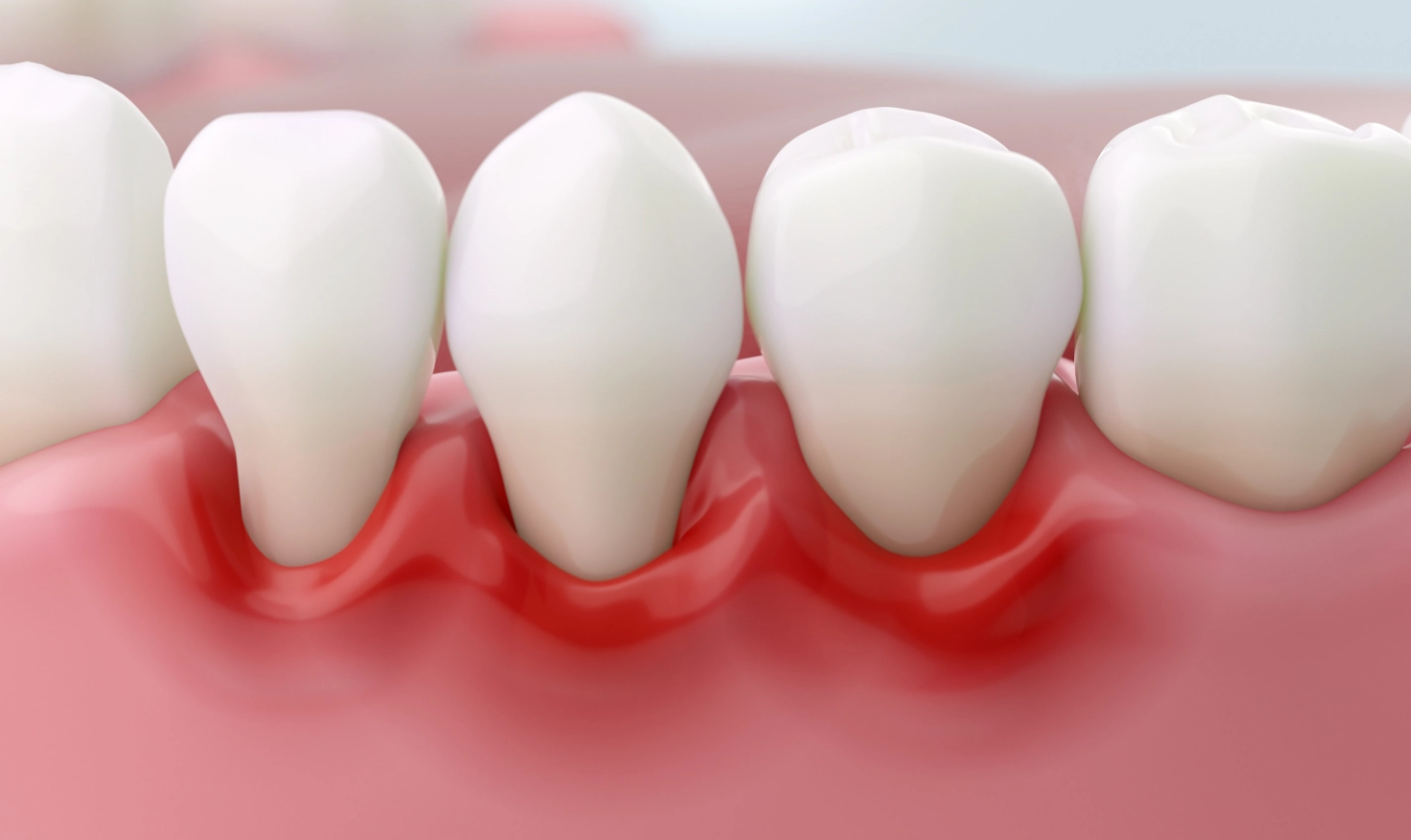
Periodontal disease is chronic inflammation that affects the gum and supporting tissues around the teeth. Research has associated gum disease with other health problems such as diabetes and cardiovascular disease. Research has shown that bacteria, which has accumulated in the mouths of patients with periodontal