Share
Missing teeth are more common than many people realise, yet they’re often overlooked until they affect daily life. Patients may adapt to gaps in their smile, unaware of the long-term consequences on oral health, confidence, and overall wellbeing.
At Surbiton Smile Centre, our dentist Dr Soltani regularly consults with patients who are unsure whether dental implants are the right solution. As a trusted dentist in Surbiton, Surrey, Dr Soltani believes understanding your options is the first step towards restoring a healthy, confident smile.
This article explains what dental implants are, who is suitable for them, and why early advice from a local dental expert matters.
What Are Dental Implants?
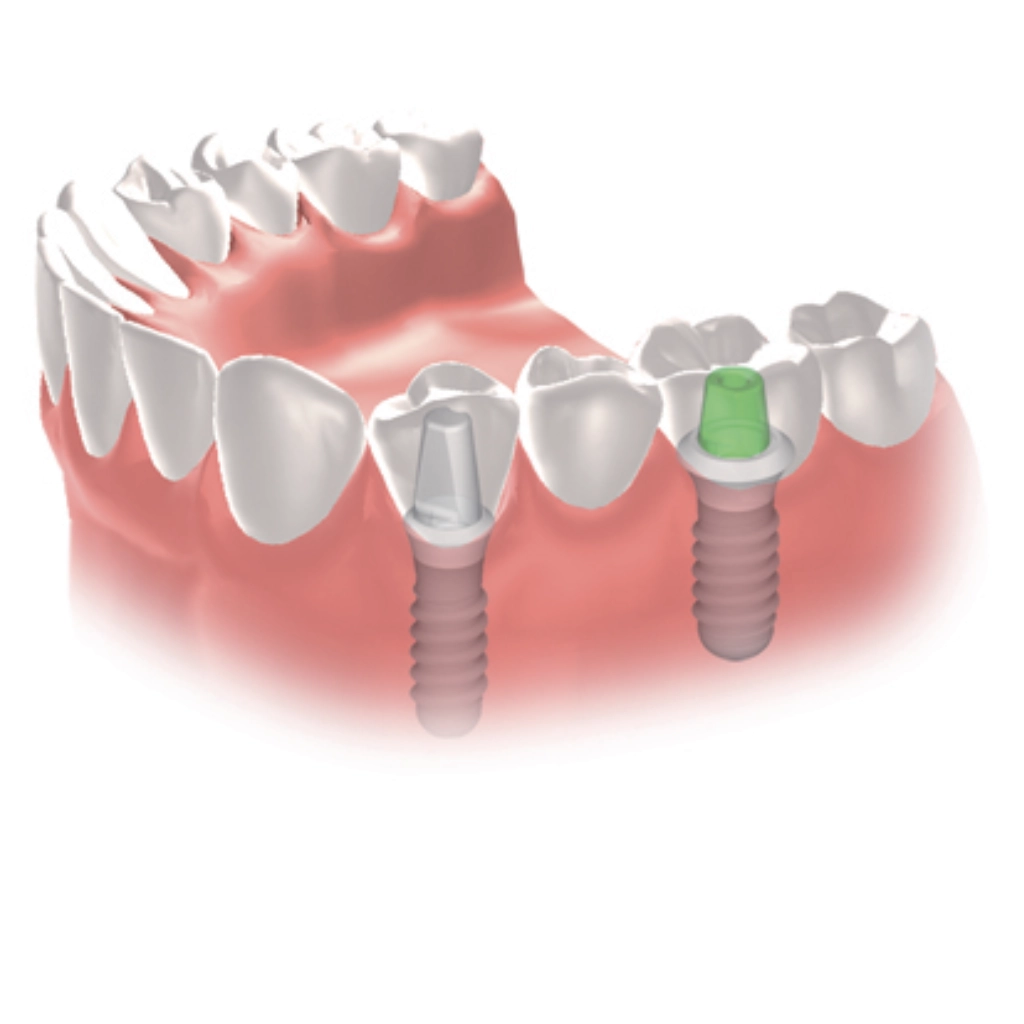
Dental implants are a modern, long-lasting solution for replacing missing teeth. Unlike dentures or bridges, implants replicate both the tooth and its root, helping preserve jawbone structure and maintain oral health.
A dental implant consists of three parts:
- Titanium implant post – surgically placed into the jawbone
- Abutment – a connector attaching the implant to the crown
- Custom-made crown – the visible part of the tooth that looks and feels natural
Once placed, the implant fuses with the jawbone through a process called osseointegration, providing a strong and stable foundation for chewing, speaking, and smiling confidently.
Common Symptoms of Missing Teeth
Patients with missing teeth may experience:
- Difficulty chewing certain foods
- Shifting or tilting of adjacent teeth
- Changes in facial appearance or smile
- Reduced confidence when speaking or smiling
Common Causes of Tooth Loss
- Tooth decay and cavities
- Gum disease (periodontitis)
- Dental trauma or injury
- Failed dental work
- Long-term wear and tear
How Missing Teeth Affect Oral Health
Missing teeth can lead to a chain of oral health problems if left untreated.
1. Bone Loss in the Jaw
Without a tooth root, the jawbone can shrink over time, affecting facial structure and weakening support for surrounding teeth.
2. Movement of Surrounding Teeth
Adjacent teeth may shift into gaps, leading to misalignment, bite issues, and uneven wear.
3. Bite and Chewing Problems
Gaps can make chewing uneven, placing extra strain on remaining teeth and jaw joints.
Dental implants are unique because they replace both the tooth and its root, helping maintain jawbone health and preventing long-term complications.
Warning Signs You May Need Dental Implants
Seek professional advice if you notice:
- One or more missing teeth
- Loose or uncomfortable dentures
- Difficulty eating certain foods
- Jaw discomfort or bite changes
- Gaps affecting confidence when smiling
- Signs of bone loss or changes in facial shape
Early assessment by Dr Soltani at Surbiton Smile Centre can prevent further complications and broaden your treatment options.
Prevention and Treatment Options
Preventing Tooth Loss
While dental implants can restore missing teeth, prevention is key. Dr Soltani recommends:
- Regular dental check-ups at Surbiton Smile Centre
- Daily brushing and flossing routines
- Early treatment for decay or gum disease
- Using mouthguards during contact sports
Dental Implant Treatment at Surbiton Smile Centre
Our implant treatments are personalised and carefully planned. The process includes:
- Comprehensive consultation with digital scans and X-rays
- Implant placement under local anaesthetic
- Healing period to allow integration with the jawbone
- Crown placement for a natural, functional tooth
Patients with lower bone density may require bone grafting to ensure long-term success. Our team ensures every step is comfortable, safe, and tailored to your needs.
Why Early Intervention Matters
Delaying treatment for missing teeth can result in:
- Increased bone loss and facial changes
- More complex and costly procedures later
- Bite problems and jaw discomfort
- Greater strain on remaining teeth
Early dental implant treatment at Surbiton Smile Centre allows for simpler, more predictable results, helping you maintain oral health and a confident smile.
Frequently Asked Questions
Are dental implants painful?
Most patients experience minimal discomfort. The procedure is performed under local anaesthetic, and recovery is generally straightforward.
How long do dental implants last?
With good oral hygiene and regular check-ups, implants can last decades, often for life.
Am I too old for dental implants?
Age is rarely a barrier. Overall health, gum condition, and bone quality are more important factors.
What if I don’t have enough bone?
Patients may still qualify with preparatory procedures like bone grafting, which our Surbiton team can manage.
Are dental implants better than dentures?
Implants are fixed, stable, and feel natural, whereas dentures may slip or feel uncomfortable. The best option depends on individual circumstances.
Conclusion
Dental implants are a long-term, reliable solution for missing teeth, restoring function, confidence, and oral health. With the guidance of Dr Soltani at Surbiton Smile Centre, patients in Surbiton, Surrey, can make an informed decision about their smile.
If you’re considering dental implants, don’t wait—early advice leads to better outcomes. Contact us today on 0208 339 933 to book a consultation and take the first step towards a healthy, confident smile.
A bright, healthy smile can leave a lasting impression, but certain foods and drinks can gradually stain teeth and dull their appearance. Understanding which foods contribute to teeth staining helps you make informed choices and maintain optimal oral health. For patients in Surbiton seeking professional
A confident smile can make a lasting impression and for many people, dental veneers are the key to achieving it. If you’ve been considering veneers to fix chips, gaps, or discolouration, you may be wondering if they’re really worth the investment. The short answer? For